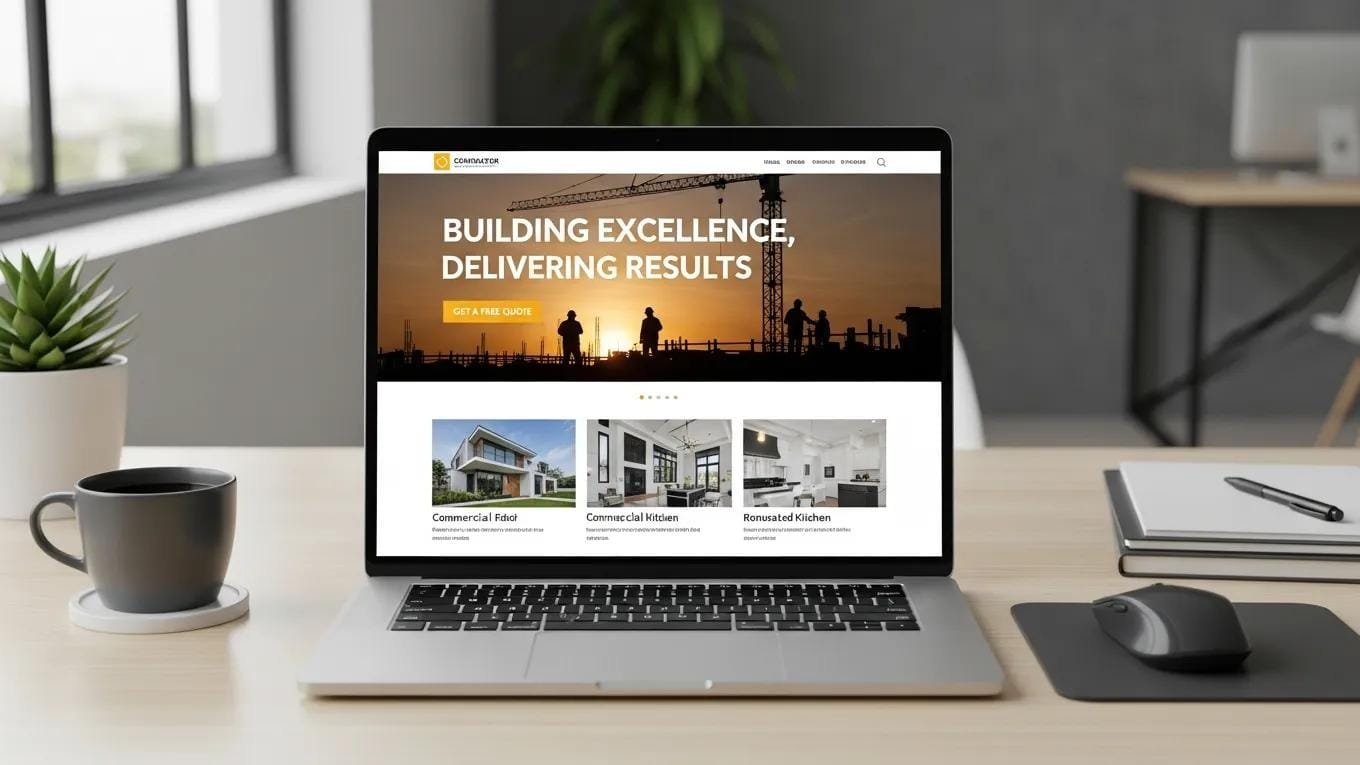
For local contractors—plumbers, electricians, roofers, solar installers, and landscapers—a well-crafted website is one of the best tools to attract homeowners and win higher-value jobs. This article lays out the core design elements that help turn visitors into paying customers. By focusing on clear, modern, and user-first design (fast mobile performance, straightforward navigation, and effective CTAs), contractors can fix common problems like outdated sites and slow load times and stand out in a competitive local market.
What Makes a Website “Cool” — And Why It Matters for Business
A “cool” website pairs visual polish with effortless functionality so homeowners can quickly find services and request a quote. For contractors, that means a professional look that actually converts: obvious calls to action, simple navigation, and reliable performance. Strong design builds trust, sharpens brand perception, and increases the chances of landing high-ticket work.
User experience is the core of effective design—balancing aesthetics and usability to meet business goals and homeowner expectations.
UX Design for Business Websites: Usability & Visuals
A practical UX approach combines clear usability, purposeful visual design, and measurable business outcomes. The result: a website that helps homeowners find answers fast and makes it easy for them to take the next step.
User experience design (UX design) in website development, 2016
The Difference Between Looking Good and Actually Converting
A visually attractive site will capture attention, but conversions—booked jobs—are the real test. Sites that look great but hide CTAs, confuse navigation, or load slowly will lose potential clients. Contractors need to balance style with function so the site not only impresses but performs.
Element 1 — Clean, Modern Visual Layout
A clean, modern layout makes a strong first impression and surfaces what matters most: services, contact details, and real customer feedback. Clear design reduces friction and encourages homeowners to request estimates or schedule consultations.
Why Cluttered Design Drives Visitors Away
Clutter makes it hard for homeowners to find information quickly, increasing bounce rates and lost opportunities. A streamlined layout improves readability and leads visitors toward the actions you want them to take.
The Visual Hierarchy That Guides Eyes Toward Action
Strategic use of size, color, and placement directs attention to key elements like “Request a Quote” buttons and service highlights. A logical visual hierarchy raises engagement and conversion rates.
Research shows well-structured visual elements strongly influence user behavior and conversion performance.
Website Conversion Rate Optimization with Visual Hierarchy
Applied thoughtfully, Gestalt principles help structure page elements so users focus on what matters most—improving clarity and conversion rates.
Conversion rate optimization: Visual neuro programming principles, 2016
Demand Convert builds clean, modern websites tailored for contractors that prioritize user experience and conversions. Our web design services make your business page stand out and guide homeowners toward booking your services.
Element 2 — Fast Load Speed and Performance

Page speed is essential for keeping homeowners engaged and for search visibility. Slow sites frustrate visitors and raise bounce rates—costing contractors valuable leads and revenue.
How Page Speed Directly Impacts SEO and Revenue
Search engines prioritize fast-loading sites, so slow pages rank lower and attract less traffic. Studies show even a one-second delay can cut conversions by roughly 7%, which directly affects revenue.
Quick Wins You Can Implement Today
Contractors can improve page speed by:
- Optimizing Images: Compress project photos to cut file size while keeping visual quality.
- Minimizing HTTP Requests: Reduce unnecessary page elements and scripts to speed up load times.
- Using a Content Delivery Network (CDN): Serve assets faster to homeowners across different locations.
These practical fixes lift performance and improve the homeowner experience, increasing the chance of securing jobs.
Element 3 — Mobile-First Responsive Design
Most homeowners search for contractors on phones, so mobile-first responsive design is non-negotiable. A site that looks and works great on smartphones and tablets provides a consistent experience that leads to more contacts and bookings.
Mobile-first design is a best practice in modern web development, especially for service-based businesses.
Mobile-First Design: Best Practice for Modern Web
Designing for mobile first focuses effort on core tasks and content, ensuring the experience scales up elegantly to larger screens.
Mobile first as a best practice in web design, 2015
Why Mobile Optimization Is Non-Negotiable in 2025
As mobile traffic continues to grow, contractors who ignore mobile optimization will lose homeowners to competitors. Mobile-friendly sites reduce frustration, lower bounce rates, and convert more visitors into leads.
What a Mobile-Optimized Business Page Actually Looks Like
Key features include:
- Fluid Grids: Layouts that adapt seamlessly to any screen size.
- Touch-Friendly Navigation: Menus and buttons sized for thumbs and quick taps.
- Fast Load Times: Content optimized to load quickly even on slower mobile connections.
Together, these elements create a smooth mobile experience that drives homeowner engagement and bookings.
Element 4 — Clear, Compelling Calls to Action
CTAs guide homeowners to contact you or request a quote. Clear, prominent CTAs significantly increase the chance a visitor becomes a customer.
Where to Place CTAs So They Actually Get Clicked
Put CTAs in visible spots—above the fold, at the end of service descriptions, and near trust signals. Use contrasting colors and concise, action-oriented copy to make buttons stand out.
The Language That Converts Browsers Into Buyers
Use direct, benefit-focused CTAs like “Get Your Free Estimate,” “Schedule a Consultation,” or “Book Service Today” to create clarity and motivate action. A/B testing different CTA wording helps you find what works best for your audience.
Element 5 — Consistent Brand Identity
Consistent branding builds trust and reinforces professionalism. Maintain uniform colors, type, and messaging that reflect your company’s values and expertise.
Colors, Typography, and Voice That Work Together
Consistent use of brand colors and typography creates a cohesive look that makes your business easier to remember. Your site’s voice should be clear, approachable, and trustworthy to connect with homeowners.
Why Inconsistent Branding Erodes Trust
Mixed styles or messages confuse visitors and undermine credibility. A unified brand identity strengthens confidence and supports long-term client relationships.
Element 6 — Trust Signals and Social Proof
Trust signals—reviews, testimonials, and case studies—show homeowners that your services are reliable and high quality. These elements convert visitors by demonstrating real results.
Reviews, Client Logos, and Case Studies That Do the Selling for You
Highlight positive reviews and recognizable client logos to build credibility. Short case studies that showcase successful projects prove your expertise and make it easier for homeowners to choose you.
Where to Place Trust Elements for Maximum Impact
Place trust signals near CTAs and on landing pages to reinforce confidence at key decision points and increase conversions.
Element 7 — Intuitive Site Navigation
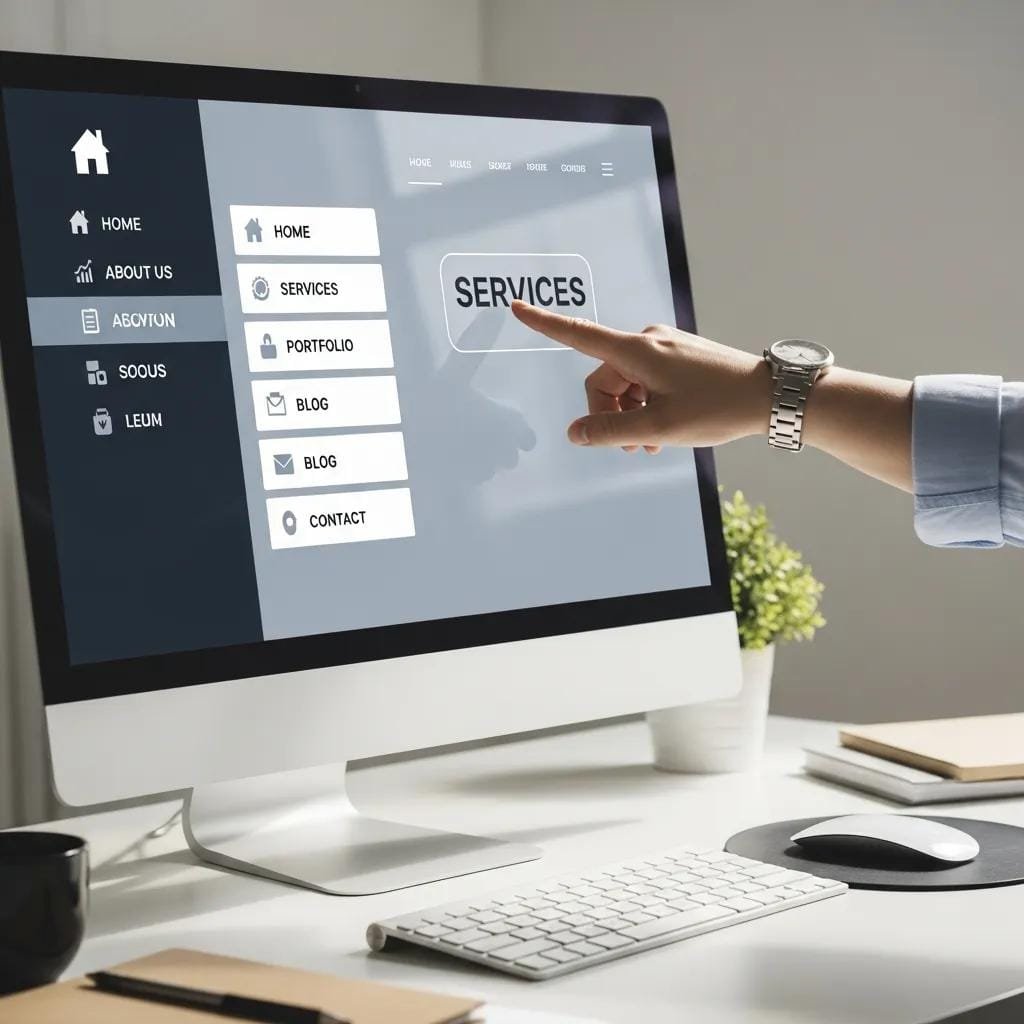
Intuitive navigation helps homeowners find what they need quickly, reducing frustration and keeping them engaged. A simple, well-organized menu is essential for guiding visitors through services and contact options.
How Your Menu Structure Guides Visitors — or Loses Them
A clear, logical menu keeps visitors from leaving out of confusion. Contractors should use plain labels and organized categories so homeowners can find answers fast.
The Navigation Patterns High-Converting Business Sites Use
Effective navigation often includes:
- Dropdown Menus: Quick access to specific services and subpages.
- Search Bars: Fast content discovery for homeowners who know what they need.
- Breadcrumbs: Clear context so visitors understand where they are on the site.
These patterns improve usability and encourage exploration—leading to more booked jobs.
Element 8 — SEO-Optimized Content Structure
SEO-friendly content helps your site rank higher so homeowners can find your services. Proper headings, relevant keywords, and smart internal linking improve both search visibility and the user experience.
How Headings, Keywords, and Internal Links Work Together
Clear headings organize content for both search engines and visitors. Naturally placed keywords boost ranking without hurting readability. Internal links guide homeowners to related services or helpful resources, keeping them engaged longer.
Structuring Your Business Page Content for Search and Humans
To optimize content structure:
- Use Descriptive Headings: Label each section so visitors scan easily.
- Incorporate Keywords Naturally: Focus on terms homeowners actually search for.
- Link to Relevant Content: Point visitors to related pages or blog posts for more information.
This approach improves discoverability and keeps homeowners moving through your site.
Element 9 — Analytics and Conversion Tracking
Tracking analytics and conversions shows how homeowners interact with your site and highlights where improvements will have the biggest impact.
Measuring What Your Design Is Actually Doing
Tools like Google Analytics reveal metrics—page views, bounce rates, and conversion paths—that tell you how visitors behave and where to focus optimization efforts.
The Metrics That Tell You If Your Website Is Working
Key metrics to watch include:
- Conversion Rate: The percentage of visitors who take desired actions, like booking a service.
- Bounce Rate: The share of visitors who leave after viewing only one page.
- Average Session Duration: How long homeowners stay on your site.
Using these metrics to guide updates helps you make data-driven changes that increase bookings.
How to Apply These Elements Without Rebuilding From Scratch
Contractors can improve their websites step-by-step instead of doing a full redesign, so you can start seeing better leads and revenue quickly.
Budget-Friendly Improvements for Growing Businesses
Cost-effective strategies include:
- Update Visual Elements: Refresh colors and fonts to modernize the look without rebuilding pages.
- Optimize Existing Content: Improve headlines, CTAs, and on-page SEO to boost visibility and clarity.
- Improve Navigation: Simplify menus so homeowners find information faster.
These targeted changes can lift engagement and conversion rates right away.
Full-Scale Optimization for Revenue-Focused Teams
For contractors ready to invest in growth, a comprehensive redesign that incorporates all nine elements produces a website that attracts homeowners and converts them into high-value clients.
Demand Convert offers expert web design and conversion optimization services tailored to contractors who want better online results.
To drive more targeted homeowner traffic, consider Demand Convert’s PPC services—a proven complement to great design.
For contractors selling products or managing service bookings online, Demand Convert also provides specialized ecommerce PPC services designed to maximize ad ROI and grow revenue.

 The 2026 Guide to AI Search for Plumbers: How to Rank in ChatGPT, Perplexity, and Google AIO