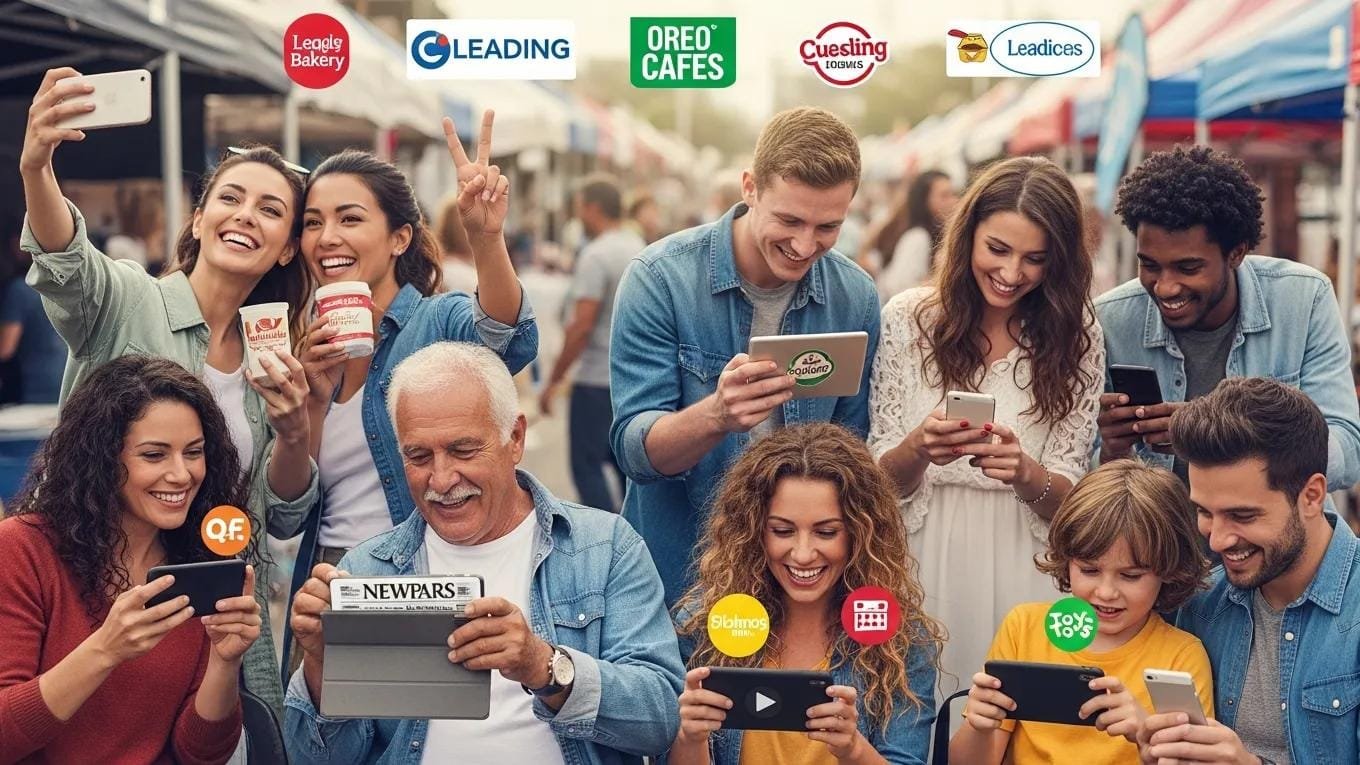
In 2026, social media is still one of the most effective ways for blue‑collar contractors—plumbers, electricians, roofers, HVAC pros—to reach homeowners and grow their businesses. This guide highlights brands that are winning on social, explains why their approaches work, and shows how contractors can adapt those tactics to land high‑value jobs and boost revenue. With a focus on community building, realness, and smart content, you can connect with homeowners, earn trust, and stand out from the competition.
Knowing how fast social platforms and marketing trends evolve is essential if you want to expand your reach and attract better, higher‑paying clients.
Social Media User Growth & Digital Marketing Strategies 2024-2026
This summary looks at the surge in social media users in Indonesia and what that growth means for digital marketing in 2024. Platforms like TikTok are drawing large audiences and often generate higher engagement than legacy channels. As a result, marketers are shifting to short‑form video, tailored campaigns, and influencer partnerships that drive visibility and interaction.
Analysis of Social Media User Growth and Its Implications for Digital Marketing Strategies in Indonesia 2024, ML Tewu, 2024
What Makes a Brand Stand Out on Social Media in 2026 for Contractors?
Top brands in 2026 are clear, honest, and audience‑first. For contractors, that means speaking directly to homeowners’ problems and building a community that trusts your work. The most effective traits are consistent engagement, straightforward communication, and creative content that shows real results and happy customers.
The Shift From Broadcasting to Community Building

Instead of one‑way broadcasts, focus on creating a neighborhood of engaged homeowners. Brands like Nike show how belonging drives loyalty. For contractors, that looks like sharing project stories, homeowner testimonials, and behind‑the‑scenes posts that inspire trust and referrals.
Algorithm‑Proof Strategies That Still Work
Algorithms change, but consistent, useful content keeps you visible. Storytelling that shows how you solve problems, before‑and‑after visuals, and interactive posts—live Q&A, polls, or how‑to clips—help contractors stay top of mind with homeowners.
Why Authenticity Outperforms Production Polish in 2026

Homeowners prefer relatable, honest content over glossy ads. Brands like Glossier lean on real customers and user content to build trust. Contractors can do the same by posting genuine reviews, sharing the challenges you overcame on a job, and showing clear results.
The Best Brands on Social Media in 2026 and Lessons for Contractors
Brands such as Nike, Duolingo, Glossier, Notion, and Patagonia succeed by prioritizing community, authenticity, and creative formats. Below are the core takeaways contractors can apply to attract homeowners and win high‑value work.
Nike
Nike cultivates loyalty through inspiring stories and user content. Contractors can copy that playbook by encouraging homeowners to share experiences and featuring real project stories that demonstrate craftsmanship and reliability.
Platform Focus
Nike performs strongly on Instagram and TikTok—great platforms for visual storytelling. Contractors should use those channels to post project photos, short videos, and homeowner testimonials.
Content Strategy
Nike’s content centers on real people and authentic moments. Contractors can mirror this by spotlighting satisfied homeowners and showing how their services solved common problems.
What You Can Apply to Your Brand
Make community engagement and genuine storytelling a priority to build trust, earn referrals, and attract higher‑value jobs.
Duolingo
Duolingo mixes education with playful content—humor, quick tips, and interactive posts. Contractors can adopt a friendly voice and share short maintenance tips or easy safety pointers to engage homeowners.
Platform Focus
Duolingo uses TikTok and Twitter to reach broad, often younger audiences. Contractors can use the same platforms to connect with homeowners who are active online and searching for trusted help.
Content Strategy
Memes, challenges, and interactive formats drive Duolingo’s engagement. Contractors can invite homeowners to ask questions, share project photos, or take part in simple challenges that highlight your skills.
What You Can Apply to Your Brand
Use humor and practical tips to make your brand approachable and memorable for homeowners.
Glossier
Glossier’s growth stems from user content and honest engagement. Contractors should encourage customers to post reviews and photos of finished jobs to boost social proof and local credibility.
Platform Focus
Glossier leans on Instagram for visual storytelling. Contractors should showcase project outcomes and client satisfaction there.
Content Strategy
The brand focuses on customer experiences. Contractors can share testimonials, day‑in‑the‑life posts, and behind‑the‑scenes moments to build authenticity.
What You Can Apply to Your Brand
Prompt homeowners to share their stories to grow a loyal, referral‑driven audience.
Notion
Notion engages users with useful, educational content. Contractors can create short how‑tos, explain common services, and post step‑by‑step videos to demonstrate expertise.
Platform Focus
Notion uses Twitter and YouTube for tips and user stories. Contractors can publish how‑to clips and answers to frequently asked homeowner questions on those platforms.
Content Strategy
Show real use cases. Contractors can highlight projects that solved specific problems to build credibility.
What You Can Apply to Your Brand
Adopt an educational approach to position your business as the trusted local expert.
Patagonia
Patagonia connects with customers through purpose and transparency. Contractors can highlight eco‑friendly practices and community work to appeal to environmentally conscious homeowners.
Platform Focus
Patagonia uses Instagram and Facebook to tell stories and engage followers. Contractors should use these channels to communicate values and local involvement.
Content Strategy
The brand emphasizes openness and responsibility. Contractors can share their commitments to safety, quality, and sustainability.
What You Can Apply to Your Brand
Align your messaging with values homeowners care about to strengthen trust and repeat business.
Key Social Media Strategies the Best Brands Use in 2026 for Contractors
Contractors can adopt these proven approaches to engage homeowners and grow their business without overcomplicating the process.
Short‑Form Video Dominance — And How to Keep Up
Short videos on TikTok and Reels grab attention fast. Contractors can post quick project highlights, tips, and homeowner testimonials to show expertise and reliability.
Research supports the strong influence of short‑form video on consumer behavior and engagement.
Social Media Marketing Effectiveness & Engagement 2026
This study compares global social media best practices with Uzbekistan’s growing digital tourism market. It finds social media heavily influences travel choices—89% of global travellers use social media for inspiration and over 60% convert that inspiration into bookings. TikTok shows the highest engagement for tourism content, while Instagram remains the leader for visual destination stories.
EFFECTIVENESS OF SOCIAL MEDIA MARKETING IN TOURISM, 2026
Creator Partnerships Over Traditional Advertising
Working with local creators or happy customers expands your reach more authentically than standard ads. These partners help create relatable content that potential clients trust.
Community‑Led Content and User‑Generated Content
Encouraging homeowners to post photos and feedback creates a sense of community and acts as powerful social proof. UGC influences decisions throughout the customer journey and strengthens loyalty.
User content does more than boost engagement—it helps guide prospects from discovery to booking.
UGC Impact on Customer Journeys & Brand Loyalty
This research explores how User Generated Content strengthens the customer journey and amplifies electronic word‑of‑mouth in the FMCG sector. It highlights examples like unboxing clips, reviews, and social tags that tie real experiences to brand narratives.
Leveraging user generated content for enhanced customer journeys: Analyzing its impact on ewom influence in FMCG brands, 2025
Cross‑Platform Consistency vs. Platform‑Native Content
Keep a consistent brand message, but adapt formats for each platform. That balance preserves your identity while maximizing engagement where homeowners are most active.
How SMB Contractors Can Apply These Lessons With a Limited Budget
Small and mid‑sized contractors can use these tactics effectively on a tight budget to win homeowners and higher‑value work.
To improve your online presence, consider exploring web design services that create a clean, easy‑to‑use website tailored to your trade.
Start With One Platform and Own It Before Expanding
Pick the single platform where your target homeowners spend time and master it. Focus builds credibility and lets you refine what works before you broaden your reach.
Quick Wins That Build Momentum Fast
Reply to comments, share customer posts, and post regular job updates. Small, consistent actions increase visibility and spark referrals and repeat business.
Pair Social Strategy With SEO for Compounding Growth
Optimize social content and your site for search so homeowners can find you easily. Combining social media with local SEO amplifies reach and drives qualified leads.
What to Measure to Know If Your Social Media Strategy Is Working
Track the right metrics so you can see what moves the needle and make smarter decisions.
Vanity Metrics vs. Revenue‑Tied KPIs
Likes and followers feel good, but prioritize KPIs that link to revenue—leads, conversion rates, and customer retention—to measure real impact.
The Metrics That Actually Matter in 2026
Engagement rates, conversion rates, and repeat customer metrics show whether your social activity is bringing in homeowners and driving growth.
Frequently Asked Questions
Brands like Nike and Duolingo are often referenced for strong social media strategies—their focus on community and authenticity offers practical lessons contractors can use to serve homeowners better.
What social media platform is best for SMB contractors in 2026?
Instagram and TikTok are top choices for contractors who want to use visual content and storytelling to reach homeowners.
How do small contractors compete with big brands on social media?
Small contractors win by being authentic, engaging the local community, and using user‑generated content to build trust and loyalty.
How often should a contractor post on social media in 2026?
Post consistently—about 3–5 times per week—to stay visible without overwhelming your audience.
For contractors wanting to expand reach quickly, consider PPC services to target high‑value trade leads and jobs.
Subject Matter Context
Core Pillar Connection: This technical guide is part of our Guts To Glory Field Proof Systems series. For comprehensive execution and guaranteed results in your local area, review our official protocol: Hyper-Local paid Social and Meta retargeting Moats .
Related Guts To Glory Field Proof Systems Resources:
- • How Smart Contractors Use Proximity Loops to Print Money
- • What Is a Social Media Marketing Service? (2026 Guide for Blue-Collar Contractors)
- • How to Market Your Small Trade Business on Social Media — and Actually Get Results
- • The 2026 Guide to AI Search for Plumbers: How to Rank in ChatGPT, Perplexity, and Google AIO
- • Hashtag Research: The Complete Guide to Hashtags for Local Contractors

 9 Essential Elements of “Cool” Website Design for Your Local Contractor Business Page