
Basic Website Design Elements Every Business Should Have
The basic website design elements every business should have include a clean and professional homepage, intuitive navigation, mobile responsiveness, fast page load speed, and trust signals such as reviews and certifications. These elements work together to create a user-friendly experience that builds credibility and drives conversions.
Why Website Design Directly Impacts Your Revenue
What Visitors Decide in the First 3 Seconds
Website design elements play a pivotal role in shaping user perception and influencing their decisions. A well-structured website can lead to higher conversion rates, while poor design can deter potential customers. Research indicates that 75% of users judge a company’s credibility based on its “website design”. This statistic underscores the importance of investing in quality design to enhance user trust and engagement.
How Bad Design Drives Visitors Away — and Toward Competitors
Further emphasizing this point, research highlights the critical role of website usability in achieving digital marketing success.
Website Usability, UX & Conversion Rates in Digital Marketing
A website that is easy to use, well-organized and optimised for mobile devices, on the other hand can help improve user engagement, raise conversion rates and ultimately boost the success of digital marketing initiatives. This paper shows the significance of website usability in digital marketing and explores the impact of website usability on user experience and how it can affect the key performance indicators such as bounce rates, session duration and conversion rates.
The importance of website usability in digital marketing: a review, H Sharma, 2023
What Separates a Website That Converts from One That Doesn’t
Failing to prioritize website design can have dire consequences for businesses. Poor design can lead to a loss of potential customers, resulting in decreased revenue. For instance, a study found that 38% of users will stop engaging with a website if the content or layout is unattractive. Additionally, long-term brand damage can occur as users associate poor design with a lack of professionalism.
The Core Website Design Elements Every Business Needs
Clean, Professional Homepage Layout
The homepage serves as the first point of contact for visitors. It should clearly communicate the brand’s value proposition and guide users to other important sections of the site.
Intuitive Navigation Menu
A simple navigation menu is crucial for guiding users through the website. Best practices include limiting the number of menu items and using descriptive labels. This simplicity helps users navigate without confusion, enhancing their experience.
Mobile-Responsive Design
In today’s mobile-first world, ensuring that a website is responsive and fast is non-negotiable.
Fast Page Load Speed
Core Web Vitals are critical metrics that measure user experience. Optimizing load times and ensuring a smooth experience can significantly impact user retention and satisfaction.
Indeed, optimizing these core web vitals is crucial for business success in the demanding digital landscape.
Web Performance & Core Web Vitals for Business Success
In today’s digital landscape, where users demand instant and seamless web experiences, optimizing web performance has become paramount for businesses to succeed online. These tools help evaluate critical metrics like Largest Contentful Paint (LCP) and First Input Delay (FID), which directly impact userexperience. Additionally, the paper investigates the importance of optimizing core web vitals like LCP and FID and their impact on key metrics such as bounce rate, conversion rate, and time on site.
Web performance tooling and the importance of web vitals, MK Dobbala, 2022
Trust Signals — Reviews, Certifications, Logos
Building trust with users is essential for conversion. Incorporating trust signals can significantly enhance a website’s credibility.
Customer Reviews and Testimonials
Displaying customer reviews and testimonials can influence potential customers’ decisions. User-generated content serves as social proof, demonstrating the value of the business’s offerings.
Trust Badges, Certifications, and Affiliations
Trust badges and certifications can reassure users about the security and reliability of the website. Placing these elements strategically can enhance user confidence.
Privacy Policy, Terms of Service, and SSL Certificate
Including a privacy policy and terms of service is crucial for legal compliance and user trust. An SSL certificate ensures that user data is protected, further enhancing credibility.
Content and Conversion Elements That Turn Visitors Into Leads
Compelling Headlines and Body Copy
Effective website design incorporates several key features that enhance user experience and drive conversions. These include intuitive navigation, compelling calls to action, and a visually appealing layout. Websites that prioritize user experience often see higher engagement rates, as users are more likely to stay and explore when they find the site easy to navigate and visually appealing.
Clear Calls to Action on Every Page
Calls to action (CTAs) should be clear and compelling, guiding users toward desired actions. Effective CTAs use action-oriented language and are strategically placed throughout the site.
Contact Page and Visible Contact Information
A well-designed contact page is essential for user accessibility. It should include multiple contact methods, such as a contact form, email, and phone number, to cater to user preferences.
An About Page That Builds Human Connection
An about page builds trust by sharing the brand’s story, mission, and values. This page helps users connect with the business on a personal level, fostering loyalty.
SEO and Technical Elements You Can’t Afford to Skip
Optimized Page Titles and Meta Descriptions
Title tags and meta descriptions are essential for SEO. They should be crafted to include relevant keywords while accurately describing the page content.
SSL Certificate and Site Security
Including a privacy policy and terms of service is crucial for legal compliance and user trust. An SSL certificate ensures that user data is protected, further enhancing credibility.
Internal Linking Structure
Breadcrumbs provide users with a clear path of their location within the site, enhancing navigation. Internal linking helps distribute page authority and keeps users engaged by directing them to related content.
XML Sitemap and Robot.txt
An XML sitemap and robots.txt file are essential for guiding search engines in indexing the site. These technical elements ensure that search engines can crawl the site effectively.
Google Analytics and Search Console Integration
Integrating Google Analytics and Search Console allows businesses to track performance and gain insights into user behavior. This data is invaluable for ongoing optimization efforts.
Visual Design Elements That Reinforce Brand Trust
Consistent Brand Colors and Typography
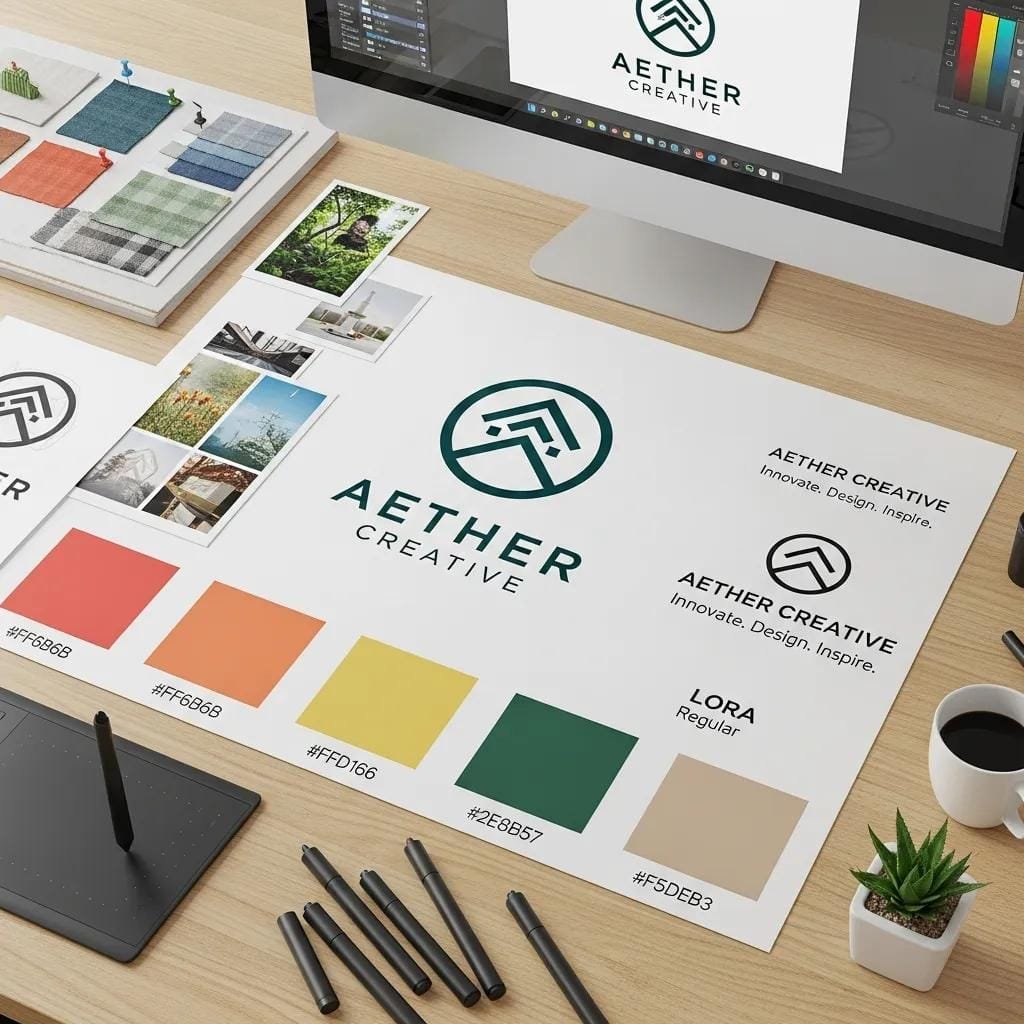
Branding is a critical aspect of website design that helps establish a business’s identity and fosters recognition among users. Consistent branding across all platforms enhances user trust and loyalty.
High-Quality Images — Not Stock Photo Clichés
Using high-quality images and graphics is essential for engaging users. Visuals should be relevant and optimized for web use to ensure fast loading times. Quality images enhance the overall look of the website and can significantly impact user engagement.
White Space and Visual Breathing Room
The choice of color palette and typography significantly impacts user perception. Colors evoke emotions and can influence user behavior, while typography affects readability and overall aesthetics. Establishing a clear visual hierarchy guides users through the content, making it easier for them to find information.
When to Handle It Yourself vs. Hire a Professional
Regular audits are essential for maintaining an effective website. They help identify areas for improvement and ensure that the site remains competitive.
A Simple Website Design Checklist for SMBs
A checklist can help small businesses ensure they have all essential design elements in place. Key items to include are branding consistency, mobile responsiveness, and SEO optimization.
When to Call in a Digital Marketing Partner
Recognizing when to seek help is crucial for businesses looking to enhance their online presence. Digital marketing partners can provide expertise and resources that may be lacking in-house.
To further enhance your online presence, consider exploring “social media services”. These services can significantly boost your brand’s visibility and engagement.
Frequently Asked Questions
What is the most important element of a business website?
The homepage serves as the first point of contact for visitors. It should clearly communicate the brand’s value proposition and guide users to other important sections of the site.
How many pages does a small business website need?
Every business website should include several key pages to ensure comprehensive user engagement and effective communication.
Does website design affect SEO rankings?
Integrating SEO elements into “website design” is crucial for visibility and traffic generation.
How do I know if my website design is hurting my business?
Failing to prioritize website design can have dire consequences for businesses. Poor design can lead to a loss of potential customers, resulting in decreased revenue. For instance, a study found that 38% of users will stop engaging with a website if the content or layout is unattractive. Additionally, long-term brand damage can occur as users associate poor design with a lack of professionalism.

 The Best Brands On Social Media In 2026