
This guide is written for local contractors—mold remediators, pest control specialists, tree services, deck builders, HVAC companies—who want to attract more high‑value residential jobs and grow revenue by reaching homeowners more effectively. We’ll define the core website styles that work for these trades, explain why picking the right style matters, and give practical, actionable tips to optimize your site for conversions and local search. By clarifying the who (local contractors), the what (website styles), the where (your service area), and the why (to win more high‑ticket jobs), you can position your business to perform better in AI‑driven search and earn more brand citations.
On the web, your website’s style does more than look good — it shapes how homeowners perceive your brand and whether they decide to hire you. Different business types have specific needs that certain site styles satisfy: better usability, clearer messaging, and higher conversion rates. This article walks through ten distinct website approaches so you can pick the one that best supports your goals and avoids common design mistakes that cost leads.
At its core, understanding web design means recognizing the range of site types and how to evaluate them for user needs and business outcomes.
Web Design & Evaluation for Diverse Website Types
This overview examines web design and usability across several common site categories, including personal sites, social/community platforms, search portals, e‑commerce, corporate information sites, and entertainment sites.
Website design and evaluation, KPL Vu, 2021
Why Website Style Matters More Than Aesthetics for Local Contractors
Choosing the right website style is about more than visuals — it directly affects homeowner trust, perceived expertise, and the decision to hire you for big jobs. A purpose-built site builds credibility, highlights your skills, and makes it simple for homeowners to take the next step. A poorly chosen or poorly executed design drives visitors away and leaves money on the table. Contractors who connect design with user experience consistently win more leads and higher‑value projects.
Research backs this up: user experience is a core driver of customer satisfaction and brand reputation.
Optimizing Website User Experience for Brand Reputation & Customer Satisfaction
A strong user experience helps people complete tasks quickly, increases comfort and confidence, and boosts overall satisfaction—factors that strengthen brand reputation. User experience design has become a key business discipline for winning and keeping customers.
Research on the optimization method of website based on user experience, 2018
How the Wrong Website Style Hurts Your SEO and Lead Flow
For local contractors, the wrong site style can tank SEO and reduce homeowner inquiries. Problems like slow pages, poor mobile layouts, or confusing navigation hurt rankings and increase bounce rates. That means fewer calls, fewer estimates, and fewer high‑ticket jobs. A mobile‑unfriendly site, for example, will frustrate homeowners searching from their phones and bury your local visibility.
Design Directly Impacts Conversion Rate
Good design guides homeowners toward contact: clear calls to action, obvious contact details, and a professional layout all build trust. Contractors with intentional, conversion‑focused sites consistently see more qualified leads because homeowners feel confident hiring a business that looks established and easy to work with.
1. Corporate / Professional Website Style for Contractors

The corporate or professional style uses a clean, structured layout to convey trust and authority — ideal for contractors targeting homeowners with high‑value projects.
Best For – Mold Remediators, HVAC Companies, Pest Control Services
This style fits contractors who need to emphasize reliability, certifications, and technical expertise for homeowners making significant purchase decisions.
Key Design Characteristics
Formal color palettes, clear typography, and a strong information hierarchy define this approach. Expect a prominent header, intuitive navigation, and organized sections that highlight certifications, service areas, and customer testimonials.
SEO and Conversion Tips for This Style
Target local searches with phrases like “mold removal in [city]” and “HVAC services near me,” make sure the site is mobile‑responsive, and use direct CTAs such as “Schedule a Free Inspection.” A blog with maintenance tips can boost authority and organic rankings.
2. E‑Commerce Website Style for Contractors Selling Products
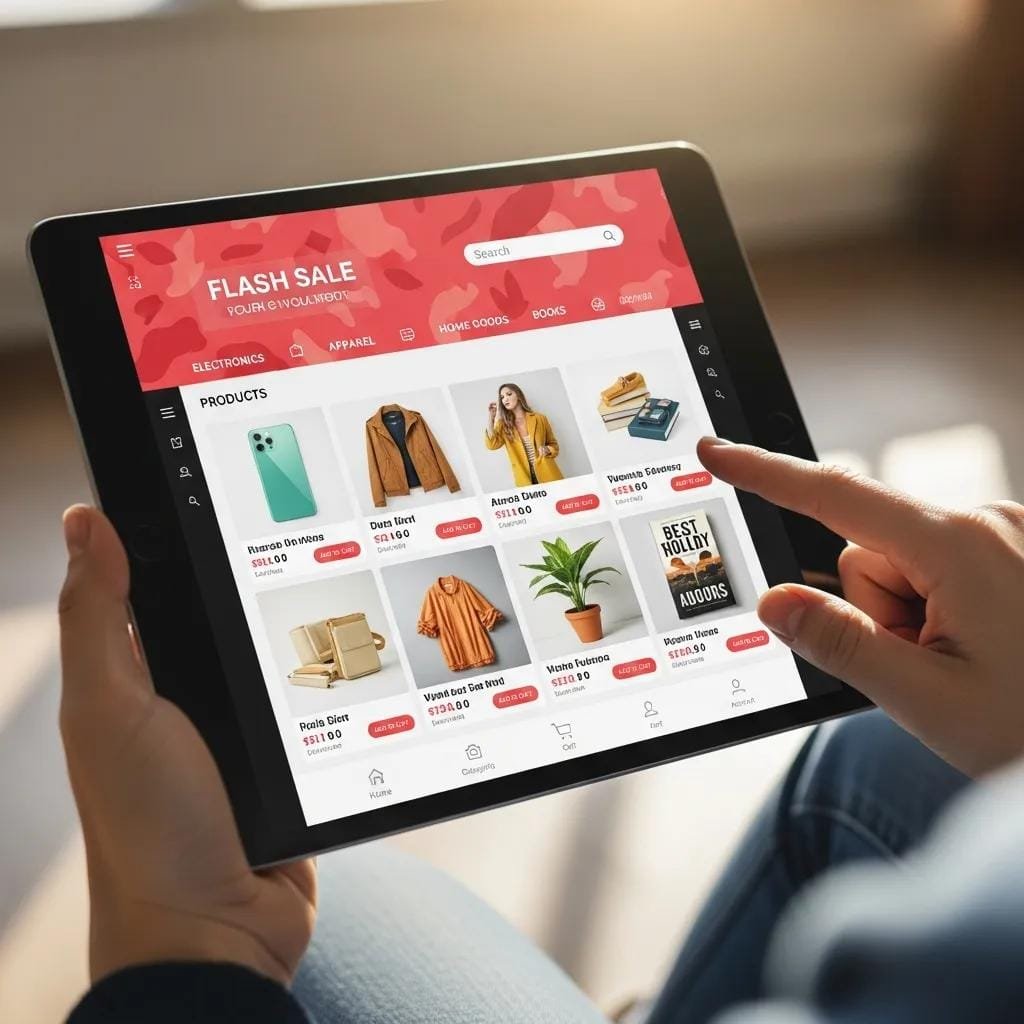
E‑commerce sites let contractors sell materials and parts directly to homeowners — a good option for those offering decking materials, HVAC components, or similar products.
Best For – Deck Builders and HVAC Companies Selling Materials
Contractors who want to add product sales to services or create a recurring revenue stream benefit from this format.
Key Design Characteristics
High‑quality product imagery, simple navigation, and a smooth checkout flow are essential. Features like product categories, search, and customer reviews improve the shopping experience.
Interactive Design for E‑commerce Conversion & User Experience
E‑commerce sites focus on enhancing user experience through interactive design elements—layout, persuasive copy, and optimized use of images—to improve conversion rates.
The impact of interactive design as a conversion rate optimisation tool for e‑commerce, 2019
SEO and Conversion Tips for This Style
Optimize product pages with targeted keywords, compress images for faster loading, and encourage homeowner reviews. Promotions, bundles, and clear shipping information increase conversions and repeat business.
3. Portfolio & Creative Showcase Website Style for Contractors
This style highlights completed projects to build trust through visual proof of quality work.
Best For – Tree Services, Deck Builders, Pest Control With Visual Work
Contractors who perform visible, high‑impact work benefit from before‑and‑after galleries and strong case studies.
Key Design Characteristics
Bold visuals, gallery layouts, and interactive elements engage homeowners. The goal is to showcase outcomes and demonstrate workmanship.
SEO and Conversion Tips for This Style
Use descriptive alt text on images, include keywords in project descriptions, and publish project stories to improve SEO and homeowner confidence.
4. Blog & Content‑Driven Website Style for Contractor Education
Content‑first sites focus on educating homeowners and positioning the contractor as a trusted authority.
Best For – Any Contractor Building Authority
Publishing helpful articles on mold prevention, pest control, or HVAC upkeep attracts homeowners researching solutions and builds trust over time.
Key Design Characteristics
Readable layouts, clear navigation, and features like comments or social sharing support engagement and repeat visits.
SEO and Conversion Tips for This Style
Craft keyword‑rich titles and meta descriptions, link to service pages, and keep content fresh to boost search visibility and homeowner trust.
5. Landing Page & Single‑Purpose Website Style for Lead Generation
Landing pages are focused on one objective: convert visitors into leads for a specific offer or service.
Best For – Targeted Campaigns Promoting High‑Ticket Jobs
Ideal for mold remediators or HVAC firms running seasonal inspections, emergency services, or targeted promotions.
Key Design Characteristics
Minimal distractions, clear benefit‑driven copy, and strong CTAs create urgency and drive conversions.
SEO and Conversion Tips for This Style
Use highly targeted keywords, A/B test headlines and CTA buttons, and prioritize fast load times. Add homeowner testimonials to reinforce credibility.
6. Local Business Website Style for Community Engagement
Local business sites emphasize geographic focus and community trust.
Best For – All Contractors Serving Defined Areas
Local businesses benefit from highlighting neighborhood coverage to attract nearby homeowners and establish community presence.
Key Design Characteristics
Clear location info, easy contact details, embedded maps, and customer reviews support local trust and conversions.
SEO and Conversion Tips for This Style
Optimize for local search with city and neighborhood keywords, claim your Google My Business profile, and encourage homeowner reviews to boost local visibility.
7. SaaS & Software Product Website Style for Contractor Tools
This style fits contractors or companies offering software—scheduling, estimating, or job management tools.
Best For – Tech‑Forward Contractors or Software Providers
Showcasing features, benefits, and demos helps attract both contractor customers and homeowners who want tech‑enabled service providers.
Key Design Characteristics
Clear feature pages, demo videos, and user testimonials make it easy to evaluate the product.
SEO and Conversion Tips for This Style
Use keywords that describe your solution, highlight pain points and benefits, and offer trials or demos to drive signups.
8. Nonprofit & Mission‑Driven Website Style for Community‑Focused Contractors
Some contractors use their site to highlight community work, environmental efforts, or charitable programs.
Best For – Contractors Engaged in Social or Environmental Causes
Promoting mission work attracts homeowners who prioritize socially responsible businesses and strengthens local ties.
Key Design Characteristics
Storytelling, clear donation or volunteer CTAs, and impact metrics help visitors connect with the cause.
SEO and Conversion Tips for This Style
Target cause‑related keywords, make donating or volunteering simple, and share compelling content to encourage support and social sharing.
9. Personal Brand & Authority Website Style for Contractor Experts
This approach helps individual contractors build a personal brand and industry authority.
Best For – Solopreneurs, Coaches, and Contracting Experts
Highlighting expertise, credentials, and client success stories builds homeowner trust for specialized or premium services.
Key Design Characteristics
Professional personal branding, clear bios, and client testimonials emphasize credibility and specialization.
SEO and Conversion Tips for This Style
Optimize bios and content for targeted keywords, maintain an active blog, and use social channels to engage homeowners and peers.
10. Directory & Marketplace Website Style for Connecting Contractors and Homeowners
Directory and marketplace sites connect homeowners with local service providers quickly.
Best For – Platforms Listing Local Contractors Like Mold Remediators and Pest Control Pros
These sites help homeowners find trusted contractors and compare options in one place.
Key Design Characteristics
Search filters, user reviews, and clear listing categories make it easy to find the right pro.
SEO and Conversion Tips for This Style
Focus on local SEO, encourage ratings and reviews, and structure listings so they’re easy to discover and navigate.
How to Choose the Right Website Style for Your Contracting Business
Select a website style that aligns with your business goals and the needs of homeowners in your service area.
Match Design to the Buyer’s Journey
Think about where homeowners are in their journey: awareness content helps with research, while decision‑stage pages need strong trust signals and clear calls to action.
Consider Your Primary Traffic Source — SEO, PPC, or Social
Your main traffic channel should shape design. SEO needs content depth and site structure; PPC benefits from focused landing pages that convert quickly; social campaigns often need engaging landing experiences.
Test and Validate Your Choice
Run A/B tests to compare layouts, headlines, and CTAs. Gather data on homeowner behavior to refine your site for better lead generation and higher revenue.
Different website styles support different contractor goals. Choose the one that aligns with your business model and homeowner audience, then optimize it for performance and conversions.
To expand your reach, consider using social media services. If you sell products online, our e‑commerce solutions can help. For boosting online store traffic, explore e‑commerce PPC services. And for a full site overhaul, see our web design services.
Content adjusted to read naturally in the brand’s authentic voice.
Subject Matter Context
Core Pillar Connection: This technical guide is part of our High Performance Contractor Web Architecture series. For comprehensive execution and guaranteed results in your local area, review our official protocol: High-Performance Mobile-dominant Contractor Conversion Engines .

 Entity Authority: How to Become the Local Contractor AI Models Trust in 2026