
Hashtag research is a must for local blue-collar contractors — mold removers, pest controllers, tree services, deck builders, and HVAC companies — who want more visibility and higher-value jobs from homeowners. Done right, hashtag research helps you reach the homeowners who need your services, attract qualified leads, and grow revenue. This guide delivers practical, step-by-step advice tailored to local contractors who want to dominate their area and boost brand signals in AI-driven search results.
What Hashtag Research Is — and Why Local Contractors Should Care
Hashtag research is the process of finding and evaluating the tags that will make your social posts more visible and engaging. For contractors serving homeowners, that means discovering the specific tags homeowners use when searching for services like mold remediation or HVAC repair. Smart hashtag research helps you cut through the noise, reach local homeowners, and win better-paying jobs.
Think of hashtag research like keyword research for SEO, but for social platforms. It shows you trending terms, homeowner interests, and how to position your content so it matches what people are actually looking for.
Strategic hashtag use can measurably improve social performance — the evidence from advocacy and nonprofit research shows that thoughtful tagging helps messages reach and engage their target audiences.
Strategic Hashtag Use for Social Media Effectiveness
Social media keeps changing how organizations mobilize and connect. Hashtags are a powerful, understudied tool for focusing messages and increasing reach. This study analyzed hashtag use by 105 members of the National Health Council, cataloged hashtag types, compared usage across sectors, and linked hashtag strategy to measures of message effectiveness.
#
AdvocatingForChange: The strategic use of hashtags in social media advocacy, GD Saxton, 2015
Using Hashtags vs. Researching Them
Using hashtags means simply adding tags to posts. Researching hashtags means testing their relevance and performance so they support your goals. For contractors, that means picking tags homeowners actually follow — not just the most popular ones. Researched hashtags deliver better engagement and more qualified leads.
How Hashtag Research Mirrors Keyword Research for SEO
Keyword research shows the terms homeowners type into Google. Hashtag research reveals the tags they follow on social platforms. Both approaches analyze volume, competition, and intent so you can create content that matches what people want.
Types of Hashtags Every Contractor Should Know
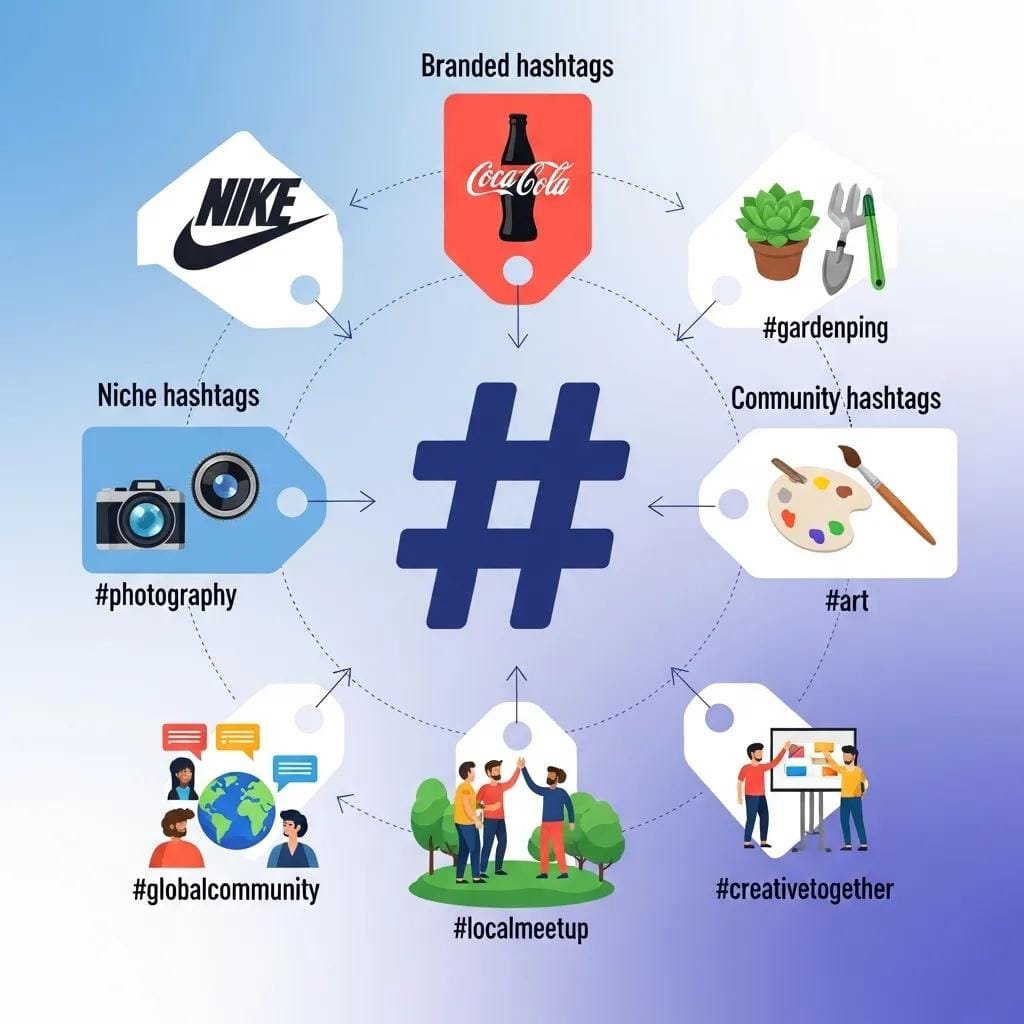
Knowing the different hashtag types helps you build a social presence that attracts homeowners looking for your services.
Branded Hashtags
Branded hashtags are unique to your company or campaigns. They build recognition and encourage homeowners to share their experiences. For example, a mold removal business might use #CleanHomeMoldFree to collect customer stories and referrals.
Niche Hashtags
Niche hashtags target specific services or homeowner problems, like #BasementWaterproofing or #HVACMaintenanceTips. These connect you with homeowners actively searching for specialized solutions.
Community and Industry Hashtags
Community hashtags link you to local homeowner groups and industry peers, such as #LocalHomeImprovement or #PestControlPros. They help build trust and establish local authority.
Trending and Seasonal Hashtags
Trending hashtags follow current events or viral topics; seasonal tags match times of year like #SpringCleaning or #WinterHeatingTips. Use these when they align with homeowner needs to get a visibility boost.
Location-Based Hashtags
Location hashtags are essential for local contractors. Tags like #SeattleHVAC or #AustinDeckBuilders target homeowners in your service area and increase the odds of landing nearby jobs.
How to Research Hashtags Step by Step
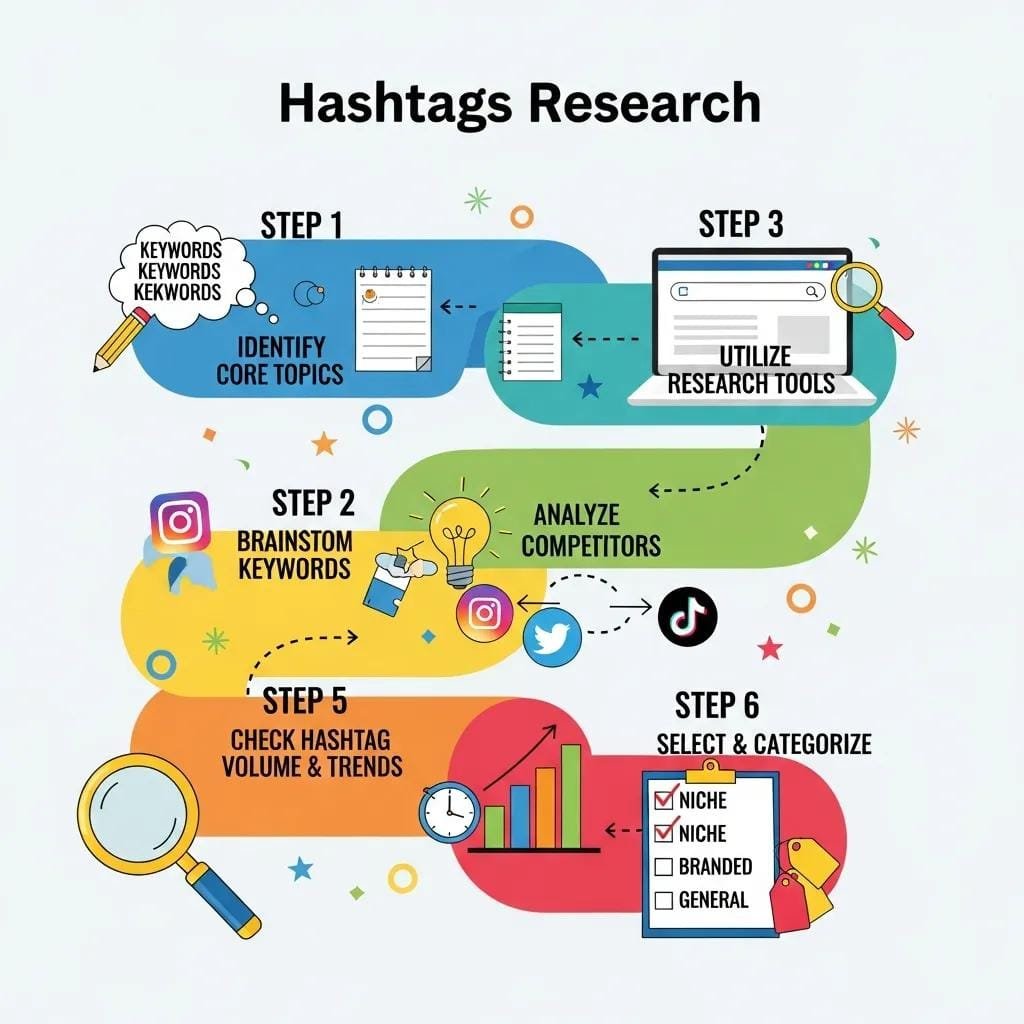
Use this systematic approach to find hashtags that connect you with homeowners and drive high-value trade work.
Step 1 — Start With Your Core Topics and Audience
List your main services (mold removal, pest control, HVAC) and define the homeowner problems you solve. That keeps your hashtag choices focused on what potential clients are actually searching for.
Step 2 — Use Native Platform Search to Explore Variants
Search within each platform for tag variants and related phrases. For example, #MoldRemoval may surface #MoldInspection or #MoldRemediation — options that broaden reach and relevance.
Step 3 — Evaluate Hashtag Volume and Competition
Check how many posts use a tag and how crowded it is. Mix popular and lower-competition hashtags to balance reach with visibility.
Step 4 — Check for Banned and Shadowbanned Tags
Steer clear of banned or shadowbanned hashtags — they can block reach and keep homeowners from finding your content.
Step 5 — Build a Tiered Hashtag Bank
Organize hashtags into tiers by relevance and popularity. That makes it quick to pick the right set for each post while keeping your strategy consistent.
Step 6 — Test, Measure, and Refine
Track which hashtags drive engagement and inquiries, then double down on what works. Continuous testing helps you refine your mix and improve results.
Platform-Specific Hashtag Research Tips
Each platform behaves differently. Use these practical tips for contractors who want to target homeowners effectively.
Combine popular and niche tags — aim for 5–30 per post depending on the content. Instagram is great for before-and-after photos that show the value of your work.
Research underscores Instagram’s strength for commercial branding and audience engagement.
Instagram for Commercial Branding: Reach & Engagement
Instagram is increasingly used for commercial branding because it fosters strong connections between businesses and their audiences. When used strategically, platform features and insights can increase reach and engagement for commercial content.
Use of Instagram insights for increasing overall reach and engagement, 2023
Use 3–5 industry-specific hashtags to reach professional audiences and potential business partners. Keep tags focused and relevant to your services.
TikTok
Tap trending hashtags to reach homeowners who watch short, engaging videos. Check TikTok’s Discover page regularly to stay on top of trends.
X
Use 1–2 clear, strategic hashtags per post to categorize content and attract homeowner attention without clutter.
Use 1–3 relevant hashtags to improve discoverability while encouraging local conversation and community engagement.
Common Hashtag Research Mistakes to Avoid
Avoid these common errors to get better social results and reach more homeowners.
Relying Only on High-Volume Hashtags
High-volume tags are crowded and can bury your posts. Pair them with niche and local hashtags to reach homeowners who are more likely to engage.
Copying Competitor Hashtags Without Vetting
Don’t copy competitors blindly. Vet each tag to ensure it aligns with your brand and the needs of your homeowner audience.
Chasing Trends That Don’t Fit Your Brand
Irrelevant trending hashtags confuse homeowners and dilute your message. Stick to trends that match your services and values.
Never Refreshing Your Hashtag Sets
Update your hashtag sets regularly to stay current with platform shifts and homeowner interests.
Tools and Methods for Hashtag Research
Right tools make hashtag research easier and more reliable.
Native Platform Search
Built-in search and discovery features are the easiest way to find related and trending hashtags on each platform. Use them often to spot new opportunities.
Social Media Analytics Platforms
Analytics tools show how tags perform, letting you track engagement and optimize your strategy based on real homeowner interactions.
Data-backed approaches are essential for maximizing hashtag reach and effectiveness.
Maximize Hashtag Reach & Effectiveness with Data-Driven Strategies
Data-driven methods can improve traditional social strategies by highlighting the content types and tags that boost reach and engagement. Applying analytics and machine learning helps identify what works best.
Evaluation of Instagram Performance Metrics on Technology and Innovation Hashtags, 2025
Tracking Hashtag Performance Over Time
Monitor hashtag results consistently to see which tags attract homeowner engagement and lead to inquiries. Use that data to refine your approach.
How Hashtag Research Fits Your Broader Digital Marketing Strategy
Hashtag research isn’t standalone — it’s a strategic piece of your overall digital marketing plan aimed at local homeowners.
Hashtags and SEO — The Indirect Connection
While hashtags mainly boost social visibility, they can indirectly support SEO by driving targeted traffic to your website from engaged homeowners.
What Organic Hashtag Research Tells You About Paid Audiences
Organic hashtag insights inform paid campaigns by revealing homeowner interests and behaviors, so your ads can target higher-value leads more precisely.
Frequently Asked Questions
How many hashtags should I use per post?
Use 5–30 relevant hashtags depending on the platform and content — enough to expand reach without looking spammy.
How often should I update my hashtag research?
Refresh your hashtag research every few months to keep pace with changing homeowner interests and platform updates.
What makes a hashtag too competitive for a small business?
A tag becomes too competitive when it has a huge volume of posts and your content can’t surface. Prioritize niche and local tags where you can actually stand out.
Can hashtag research help with local marketing?
Yes. Location-based hashtags are essential for connecting with homeowners in your service area and driving local job inquiries.
To strengthen your online presence and attract more homeowners, consider exploring ecommerce web design services that create a smoother, more professional experience for your clients.
Subject Matter Context
Core Pillar Connection: This technical guide is part of our Guts To Glory Field Proof Systems series. For comprehensive execution and guaranteed results in your local area, review our official protocol: Hyper-Local paid Social and Meta retargeting Moats .
Related Guts To Glory Field Proof Systems Resources:
- • How Smart Contractors Use Proximity Loops to Print Money
- • What Is a Social Media Marketing Service? (2026 Guide for Blue-Collar Contractors)
- • How to Market Your Small Trade Business on Social Media — and Actually Get Results
- • The Best Brands On Social Media In 2026
- • The 2026 Guide to AI Search for Plumbers: How to Rank in ChatGPT, Perplexity, and Google AIO

 19 Best Social Media Scheduling Tools Comparison 2026