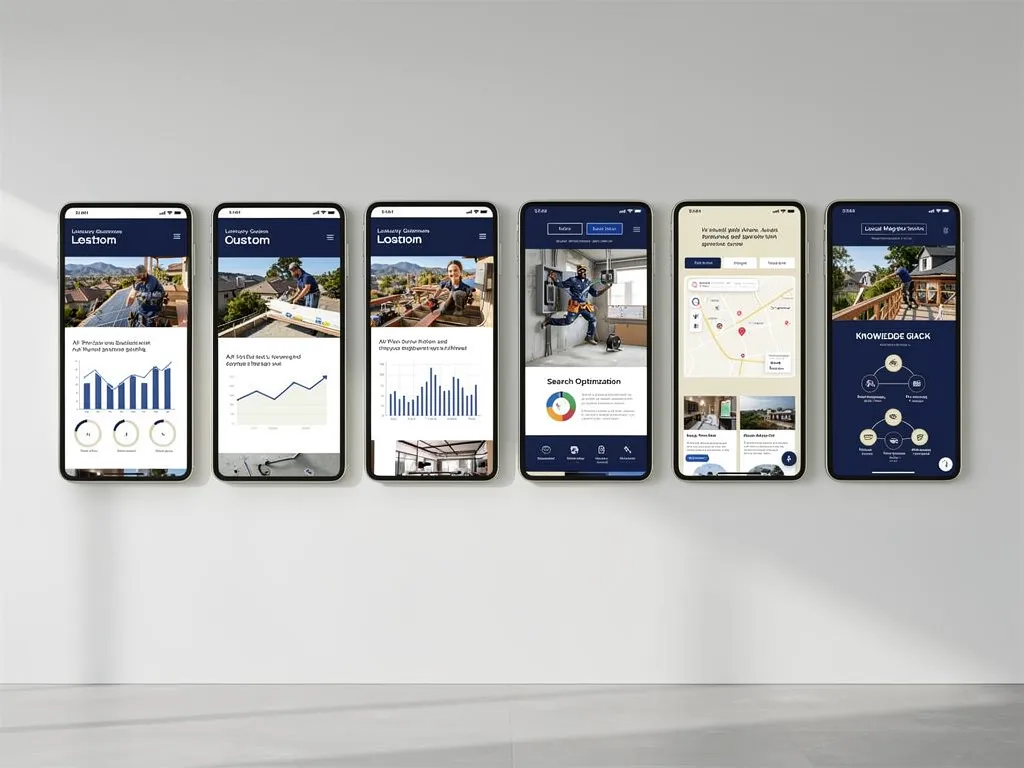
27 Best Home Builder Website Designs in 2026
Stop renting leads. Start owning your pipeline. If you’re a mid-sized, hungry custom home builder or high-end remodeler still relying on Houzz, Angi, or local lead brokers, you are actively participating in a shared lead scam. These brokers intercept high-intent home buyers in your market, package their data, and sell it to you and four other local builders at the exact same millisecond. It forces a brutal race to the bottom on price, starving your margins and commoditizing your master craftsmanship.
To break free, you don’t need a digital brochure; you need an aggressive digital real estate asset. A high-performance home builder website builds an impenetrable organic moat around your target zip codes. It intercepts the buyer before the lead brokers do, forcing the customer to call your dispatch desk directly. If your average custom build or major home renovation ticket is $150,000 to $500,000+, you don’t need vanity metrics, “brand awareness,” or agency fluff. You need a system that converts high-intent search traffic into booked design-build consultations.
Much like the clinical mechanics we exposed in our breakdown of 27 Best Roofing Website Designs for 2026, dominating your local market requires a specialized, trade-focused conversion engine. This guide breaks down the core mechanics of a high-performance custom home builder website, the real mathematics of what they cost, and the specific architecture of the best home builder websites operating in 2026 — complete with home builder website examples you can benchmark against your own.
Whether you’re looking to build an unshakeable lead machine from scratch or dismantle your current underperforming site, the blueprint below will show you how to out-rank and out-convert the massive, private-equity-backed regional franchises in your territory.
Key Components of a Superior Home Builder Website Design!
A Website Design That Stands Out
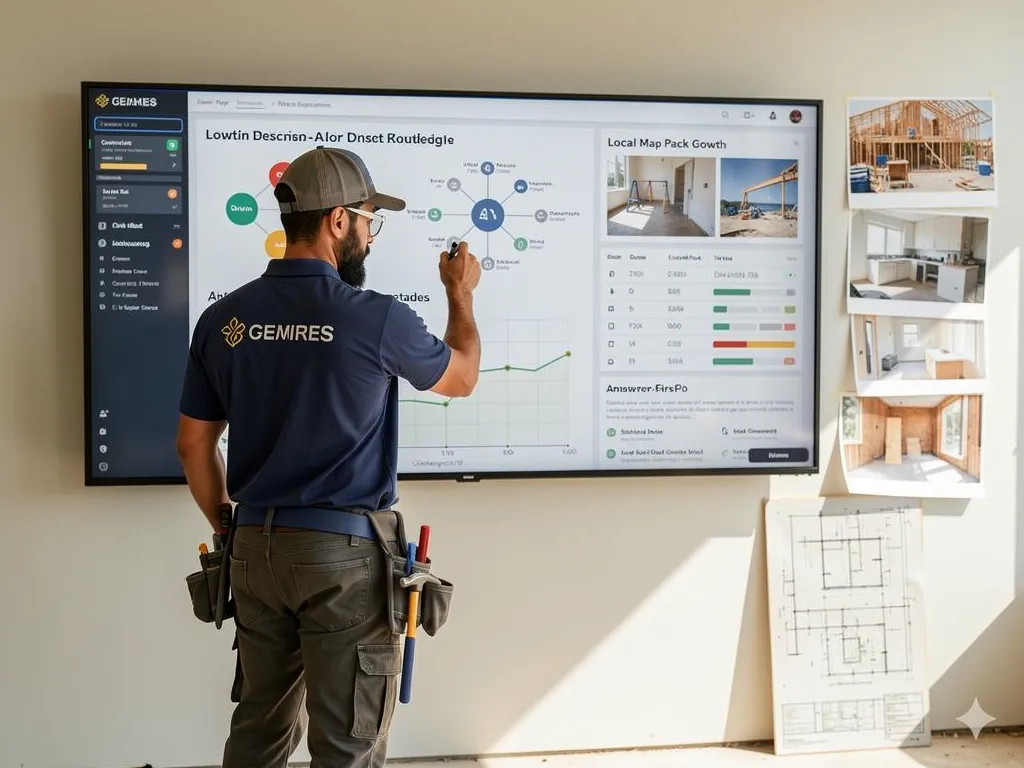
Forget standard, cookie-cutter templates that make your custom building company look like a generic franchise. “Standing out” is not an artistic goal; it is a clinical process of conversion friction elimination. Your site architecture must instantly communicate authority, separating you from the fly-by-night remodelers and establishing a territory lockout in your target suburbs.
Your layout must run on a Tri-Engine Interlocking System where local paid LSA, organic map listings, and social retargeting loops connect seamlessly. If your competitor’s site looks like a cluttered mess of text and yours acts as a clean, direct conversion funnel, you win the customer’s call before they even look at another option.
Professional Project Photos and Videos
Your portfolio is the heavy artillery of your conversion engine. If you are showcasing custom home builds with low-resolution cell phone photos of half-finished drywall, you are actively killing your brand authority. You must treat your portfolio as high-density proof of your master craftsmanship.
We highly recommend investing in high-fidelity drone footage and professional, wide-angle photography of your framing schedules, foundation pours, and pristine kitchen finishes. The portfolio page is the ultimate vetting ground for a homeowner preparing to drop $250,000+ on a project—ensure it reflects absolute engineering competence and commands premium pricing.
Trust Signals
Homeowners are inherently anxious when hiring a home builder. To destroy this buying friction, your site must weaponize social proof retargeting loops and immediate trust signals directly above the fold. Do not bury your reviews at the bottom of an obscure page; pull them directly from your Google Business Profile and showcase them prominently.
Display your structural warranties, licensing numbers, and trade accreditations where they are unavoidable. By highlighting concrete metrics—such as years of local service, total custom projects delivered, and building awards—you build an impenetrable layer of credibility that private-equity rollups cannot match.
User Friendliness & Call to Action
Blue-collar business owners know that friction kills the deal. A high-intent buyer does not want to navigate a digital maze. They want a clear, logical path to request a lot feasibility study or book a custom design consultation. Every landing page must be mobile-friendly, featuring thumb-friendly CTAs and sticky contact menus for seamless mobile navigation.
Optimized for SEO
Local SEO is the foundation of our Tri-Engine Interlocking System. If your web designer is not building search engine optimization into the core code of your site, they are leaving you invisible on Google. Your chassis must be built from the ground up for maximum organic reach.
The important onsite SEO elements you want included with your website design are: Page Load Speed: Your site must load in under 2 seconds. A homeowner on a mobile device will bounce if your site takes 3 seconds to render heavy image files. Keyword Research: Target specific, high-intent terms like “custom home builders [City]”, “luxury home builder website [City]”, and “luxury home remodelers [City]” instead of generic traffic-inflating keywords. Meta Tags: Write descriptive, click-engineered meta titles and meta descriptions for every service and suburb landing page. Proper H Tags: Establish absolute hierarchical integrity. Every page requires a single, keyword-focused H1 tag, nested logically with supporting H2 and H3 subheadings. XML Sitemap: Ensure a clean XML sitemap is actively indexed so search engines and AI models can catalog your service territory immediately. URL Structure: Use clean, flat URL folders (e.g., /custom-home-builder-[city]) to make it effortless for crawling bots to map your local authority.
How to Choose a Website Designer?
Specialization
Stop hiring generalist agencies that design sites for coffee shops on Tuesday and expect to build a high-performance home builder site on Thursday. They do not speak contractor language. They do not know the difference between a rough-in schedule, a change-order fee, or a lot feasibility study. You need a growth engineer who understands your average ticket math and builds engines specifically for high-ticket trades.
Marketing Expertise
An attractive website is useless if it behaves like a static digital brochure. Your site must act as a 24/7 senior salesperson that never asks for a cut of your commission. Your website designer must understand how to physically connect paid Google search, Local Services Ads (LSA), and organic map packs into an interlocking loop that eliminates budget waste and drives high-value calls.
Good Values
The marketing industry is notorious for hidden fees, held-hostage domains, and scaled retainer pricing based on how successful your business becomes. Demand absolute transparency. At Demand & Convert, we operate on a flat-rate $1,500/mo premium local system, backed by a Strict Territory Lockout: we legally commit to working with only one builder per territory, blacklisting your local competitors.
Competitive Pricing
Do not fall for cheap $500 website templates that look broken on mobile devices, and do not write a $35,000 check to a bloated agency that takes six months to deliver a standard layout. High-quality trade marketing should be a mathematical equation, not a luxury art project. Look for flat-rate, high-performance frameworks that justify their rates with documented contractor ROI.
How Much Do Home Builder Websites Cost in 2026?
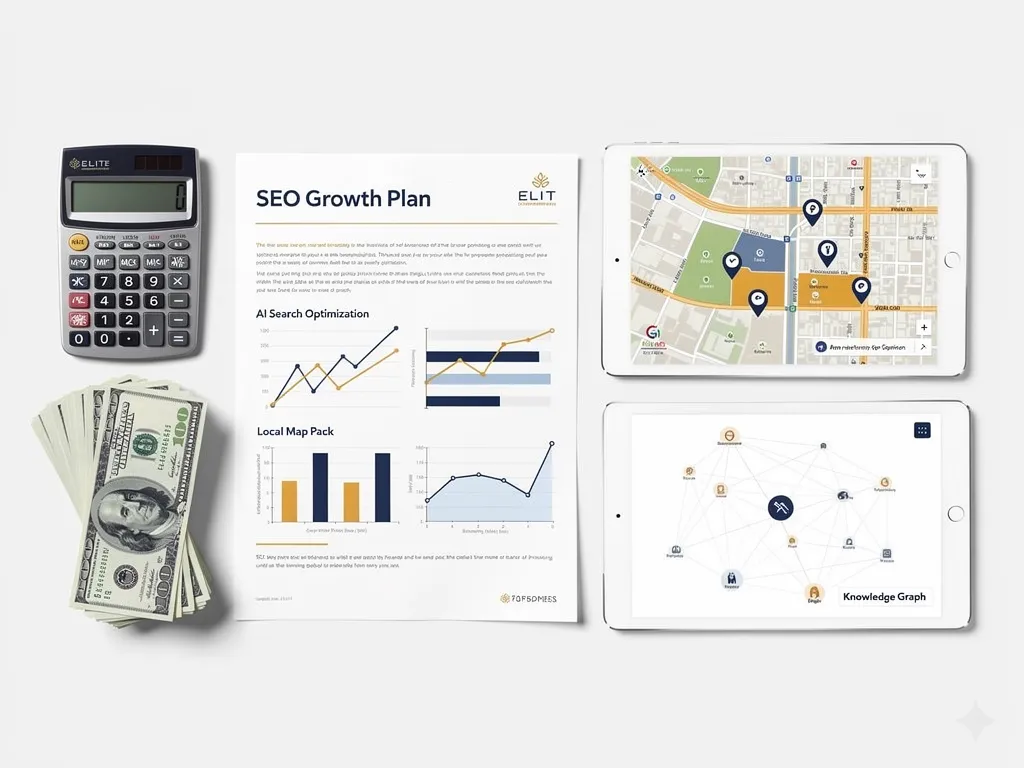
Traditional marketing agencies will try to quote you anywhere from $10,000 to $35,000 upfront, demand massive deposits, and hold your digital real estate asset hostage. If you cancel your monthly retainer with them, they shut down your site, leaving you with zero brand equity.
The Mathematics of the $1,500 Framework. We bypass the bloated upfront models entirely. We deploy our standardized, premium local system for a flat $1,500/mo. Let’s look at the financial math: If your average custom build or major home remodeling ticket is $250,000, you only need one single job from our system every five years to break even on the retainer. Everything else is pure, compounding profit. We handle the lightweight hosting, advanced security protocols, and continuous on-page optimization. What you are paying for isn’t code; you are paying to build a permanent digital asset that out-ranks the corporate giants and captures local market share.
Understanding the Web Design Process

Planning & Visual Sitemap
We begin by blueprinting your organic territory lock. Your visual sitemap acts as a structural plan, mapping out highly optimized local landing pages for every target suburb and custom building service you offer. This guarantees that your site architecture is engineered to feed Google’s semantic indexing bots from day one.
Kick Off & Assets
Next, we launch our kick-off protocol. You upload your real-world assets—logos, high-res framing photos, drone sweeps of completed projects, and certification credentials—to our secure file-sharing portal. No stock images allowed; we only build with raw, authentic proof of your local field execution.
Design
During the design phase, we bring your custom conversion layout to life, starting with a high-impact, mobile-optimized homepage. We don’t charge you for every single tweak or revision round like traditional agencies do. We offer unlimited revisions at no additional cost because we are committed to building an asset that reflects your unique brand authority.
Build
Once you approve the layout, our growth engineers build your site on a secure, private testing server. We write clean, lightweight code to guarantee sub-2-second load speeds and flawless mobile rendering. This is the stage where the raw chassis is prepped for search engines and AI models.
Content Finalization
We populate your site with gritty, authoritative copywriting that speaks directly to your ideal high-ticket buyer. We finalize the local schema data, technical structural descriptions, and internal links, testing every form and click-to-call button to ensure a friction-free customer journey.
Go Live—Hosting & Management
Once you give the final sign-off, we launch your new custom home builder engine live to the public. If you choose to host it on your own servers, we transfer the clean code; if we host it, we connect your domain name securely. Your 24/7 digital salesperson is now live on the battlefield, ready to acquire high-value construction leads and lock out your competitors.
Best Home Builder Website Designs in 2026
E2 Homes
E2 Homes wastes no time with generic marketing fluff. The second the page loads, they hit the user with raw, minimalist, architectural authority. This site is engineered to filter out low-ticket tire-kickers and speak directly to high-net-worth custom estate buyers. The clean side navigation bar keeps the focus entirely on their high-fidelity portfolio shots, proving their technical craftsmanship immediately.
Their conversion architecture is exceptionally tight. Instead of clunky blocks of text, they use interactive “view build” tabs that route potential clients into deep case studies of completed projects, physically establishing their dominance in the luxury Florida residential market.
Schumacher Homes
The Schumacher Homes asset is a clinic in humanizing a large-scale building operation. By placing an authentic, founder-led video story directly in the hero header, they instantly dismantle the sterile, corporate feel of national rollups. They prove they are a local, family-owned business at heart, destroying buyer hesitation within five seconds.
Their geographical mapping engine is a masterpiece of local SEO. Their interactive locator pins instantly connect users with regional design studios, operating hours, and local building parameters, creating an automated territory lock that routes localized lead data straight to their regional offices.
Stella Doma
Stella Doma uses a sleek, high-end zoom-out scroll effect to establish visual dominance. The transition from high-fidelity construction photography to clinical copy is completely seamless, providing an elite user experience that justifies premium price points for modern prefab architectural projects.
They destroy buying friction by organizing their design-build process into an elegant, four-step “how it works” sequence. By combining floor plan blueprints with clear, transparent material specifications, they capture high-velocity leads from modern home buyers who demand structural transparency.
Connect Homes
The Connect Homes site is a masterclass in clean, high-impact value propositions. Leading with the headline “Brilliantly Simple,” they systematically dismantle the user’s anxiety surrounding the modular prefab build process. They replace complex industry jargon with clean, actionable blueprints.
They display their distinct home designs with brief, technical descriptions and clickable images that lead directly to high-density specification sheets. This is highly efficient lead qualification, ensuring that their sales team only speaks with serious buyers who understand the math of pre-built custom modulars.
Arrowwood Custom Homes
While lazy builders clutter their sites with generic stock images, Arrowwood Custom Homes makes a bold, authoritative statement by placing custom home blueprints directly in their hero banner. This design choice instantly validates their structural expertise and targets serious custom home buyers in the Texas market.
They bypass glossy, sterile digital renderings in favor of hand-drawn floor plans, giving their brand an authentic, rustic charm. It is a highly localized, honest branding play that positions them as the trusted local craftsmen against faceless regional building conglomerates.
Bill Huey + Associates
The Bill Huey + Associates engine replaces standard hero images with an immersive, full-screen montage of high-end custom residential architecture. It commands attention and immediately validates their design-build capabilities to high-ticket buyers.
To prevent bounce rates, they employ a highly visible, dynamic sticky navigation menu centered on the left-hand side of the screen. This ensures that no matter how deep a user scrolls through their stunning portfolio, the call to action is always one click away, driving frictionless conversions.
Sims Luxury Builders
The Sims Luxury Builders asset is engineered for the perfect balance of visual weight and analytical copywriting. They don’t just show beautiful homes; they back their imagery with detailed project specs, establishing their technical authority in the competitive Houston custom build market.
Their permanent sticky header is a masterclass in conversion rate optimization (CRO). Contact forms, portfolio hubs, and custom home building guides remain locked at the top of the viewport, capturing high-intent search traffic on both mobile and desktop screens.
Sina Homes
The Sina Homes site takes a highly unconventional, bold approach by stripping away imagery above the fold and replacing it with high-density, authoritative typography. This direct storytelling format immediately qualifies their target audience, focusing strictly on their design-build history and meticulous project selection.
Their sitemap is stripped of all conversion clutter, featuring only four high-impact navigation pages: about us, past projects, upcoming builds, and contact. This hyper-focused layout eliminates navigation friction, routing high-intent buyers straight to the inquiry desk.
Wardell Builders
The Wardell Builders site is designed to push users down a conversion funnel using prominent, commanding CTAs: schedule an initial consultation, explore open positions, or contact their office. They make it incredibly simple for the buyer to take the next immediate action.
They also weaponize hard math to crush buyer skepticism. By showcasing bold metrics—including years in business, awards won, and total custom homes constructed—directly on the homepage, they build an unshakeable wall of local authority that rollups cannot touch.
Jenkins Design-Build
The Jenkins Design-Build platform screams luxury and absolute authority through high-definition drone sweeps of custom estates, vanishing pools, and high-end finishes. It is an elite digital asset constructed to attract seven-figure custom residential projects.
They back this premium visual weight with concrete trust signals: local reviews, regional awards, and documented history. This is the ultimate blueprint for a builder website that justifies premium pricing and captures massive local market share from the first click.
Medallion Home
The Medallion Home homepage uses full-motion video tours to guide the buyer through completed luxury builds. It removes all imagination barriers, making the user feel like they are standing inside their future custom home.
They back this visual experience with advanced conversion features: real-time SMS texting options, direct “shop available homes” buttons, and a fully integrated accessibility menu. They have systematically eliminated every conceivable point of friction on their site to maximize lead volume.
Schaeffer Homes
The Schaeffer Homes site is engineered around the user’s immediate search intent. They place an advanced, regional property search tool front and center, allowing home buyers to filter by county, budget, and lot parameters within seconds.
The messaging is highly personalized and empowering, using direct copy like “you choose the lot, you pick the home.” By combining an automated chat interface with interactive territory maps, they capture high-value leads from home buyers who demand control over their build journey.
Patterson Custom Homes
The Patterson Custom Homes site uses sleek drone footage in their hero slider, but the real power lies in their upfront handling of objections. They outline their proprietary, proactive home maintenance program directly on the homepage, proving their long-term structural commitment.
By educating the user on their building process and material specifications before asking for a consultation, they build massive, undeniable authority. It is a highly sophisticated approach that attracts sophisticated, high-ticket custom estate clients.
Drexel Luxury Homes
The Drexel Luxury Homes site gets straight to the point. The hero image features a clear, clinical explanation of who they are and the exact geographic markets they lock out. No fluff, no poetic descriptions—just direct B2B and high-end residential authority.
They capture early-stage, high-value leads by offering a free, downloadable guide to custom home design. Combined with a clean breakdown of their core brand differentiators, they capture and nurture prospective clients long before they speak to a competitor.
Cornerstone Homes
The Cornerstone Homes platform pairs clean visual hierarchy with hard-hitting copy. Their tagline “We bring you home” immediately anchors the emotional intent of the buyer, while their prominent “As Seen In” banner establishes massive, cross-platform authority.
They display trust signals from recognized media outlets and regional trade associations. This instantly validates their custom home building credentials, giving local property owners the absolute peace of mind required to sign high-ticket design-build agreements.
Rainier Custom Homes
The Rainier Custom Homes site eliminates all conversion friction by placing a direct “Tell Us About Your Project” CTA form above the fold. They know high-intent buyers want to start the feasibility process immediately without wading through corporate fluff.
Below the fold, they display a clean, concise mission statement backed by local client reviews and regional building awards. It is a highly efficient, direct design that proves their capability and captures lead data with clinical precision.
Jay Marc Homes
The Jay Marc Homes site utilizes a manual-scroll image carousel paired with strong, commanding CTA overlays. This puts the user in complete control of their visual journey while keeping the next conversion step highly visible at all times.
Their most powerful weapon is their embedded video testimonial hub featuring real local homeowners. By letting actual clients detail their building experiences on camera, they crush buyer skepticism and build an organic moat around their service territory.
Montana Build
The Montana Build platform leverages high-contrast visual drama. Juxtaposing high-fidelity, rugged custom home architecture against a rich black background with crisp white typography, they command respect and project premium capability.
The homepage is stripped of all unnecessary design clutter, focusing entirely on a direct “view portfolio” button, their primary building territories, and a clean contact form. It is a minimalist, powerful machine built to attract high-end, custom mountain home clients.
Stokkers + Company
The Stokkers + Company site uses a grid of high-fidelity residential project photos to showcase their architectural versatility and master-level carpentry. The crisp white background and clean typography complement their custom work without competing for attention.
Crucially, they dedicate real digital real estate to their green building and energy-efficient building initiatives. This is a massive competitive differentiator in the high-ticket custom market, attracting environmentally conscious buyers who demand advanced structural engineering.
Belmonte Builders
The Belmonte Builders site is designed for high-velocity transaction capture. They place an advanced, drop-down lot and community search matrix directly in the hero frame, allowing users to find available inventory in their target suburbs instantly.
They outline their unique selling points in a manual-scroll image banner, guiding the buyer toward their newsletter and interactive community maps. This is an exceptional lead-capture system built to capture buyers searching for lot feasibility and immediate custom inventory.
KRM Custom Homes
The KRM Custom Homessite uses an eye-catching, pinned sidebar offering a free, downloadable homebuyer’s guidebook. This is a highly effective, low-friction lead magnet that captures contact data from high-intent prospects early in their buying journey.
They employ a balanced, blocky layout using muted colors that match their real-world custom interiors, creating a unified, professional aesthetic. High-contrast, brand-specific CTA buttons are placed strategically across the viewport, ensuring the user is never more than a second away from booking an inquiry.
Cullum Homes
The Cullum Homes asset leverages cinematic drone sweeps of high-end estates, custom car garages, and elite landscapes to establish immediate, premium authority. The visual quality is highly polished, targeting affluent buyers who expect nothing less than absolute perfection.
This site serves as proof that investing in high-end, professional media assets completely elevates your brand positioning, qualifying luxury clients and shutting out smaller, low-margin competitors who rely on basic cell phone photos.
Desert Star Construction
The Desert Star Construction site is a masterclass in the power of minimalist structural layouts. They place a single, high-fidelity statement image on the homepage, backed by clean text, to let their legendary portfolio do the talking.
They keep their page speed exceptionally fast by housing their brand video in a pop-out light-box that loads only upon the user’s command. This preserves their local SEO performance while still offering a rich, emotional storytelling medium to high-ticket prospects.
Weaver Custom Homes
The Weaver Custom Homes platform utilizes a permanent sticky navigation bar to keep their direct phone line locked in the top-right corner of the screen at all times. They have eliminated all search friction for the prospect.
They pack their homepage with valuable content, including their core building values, structural processes, and a short lot feasibility checklist. It is a highly educational, comprehensive design that turns cold search traffic into pre-qualified, warm inbound phone calls.
Bontecou Construction
The Bontecou Construction site takes a simple, direct, no-frills approach to high-ticket custom builder marketing. They feature a clean homepage slider of custom projects, a brief overview of their craftsmanship, and a direct link to their client portal.
Their navigation is completely streamlined, containing only core pages: about us, project portfolio, services, press, and contact. This clean layout ensures that high-intent custom home buyers find exactly what they want without getting lost in generic marketing clutter.
Gateway Construction
The Gateway Construction site uses a highly organized block layout to organize their diverse services. It breaks down complex processes like land clearing, custom architecture, and interior finishing into clean, manageable sections for the user.
To capture early-stage leads, they feature three distinct calls to action in their hero banner, providing a clear starting point for different buyer personas. They also display their latest building accolades, immediately proving their local industry authority.
Fortin Construction
The Fortin Construction site uses creative, overlapping imagery that combines architectural blueprints with real-world, completed custom home photography. This unique visual choice instantly validates their structural expertise and design capabilities.
They provide detailed, search-optimized descriptions of their custom building services, paired with clickable links that lead to dedicated, hyper-local landing pages. It is a highly optimized local SEO framework built to dominate search rankings and capture high-value market share.
Conclusion
Every builder on this list proves the same point: a high-performance home builder website is not a digital brochure — it is a conversion engine that intercepts high-intent buyers before lead brokers do, establishes local authority through professional portfolio photography and hard trust signals, and routes serious prospects directly to your inquiry desk. The strongest sites combine a mobile-optimized architecture, hyper-local SEO landing pages, and frictionless CTAs into a single interlocking system that compounds in value long after the initial build. Whether your average ticket sits at $150,000 or well north of $500,000, the math is simple: one captured job covers years of investment, and every additional lead is pure margin. If your current site isn’t doing that work for you, Demand & Convert builds flat-rate, territory-locked custom builder websites engineered to out-rank and out-convert the competition in your market.
Subject Matter Context
Core Pillar Connection: This technical guide is part of our High Performance Contractor Web Architecture series. For comprehensive execution and guaranteed results in your local area, review our official protocol: High-Performance Mobile-dominant Contractor Conversion Engines .

 27 Best Roofing Website Designs for 2026