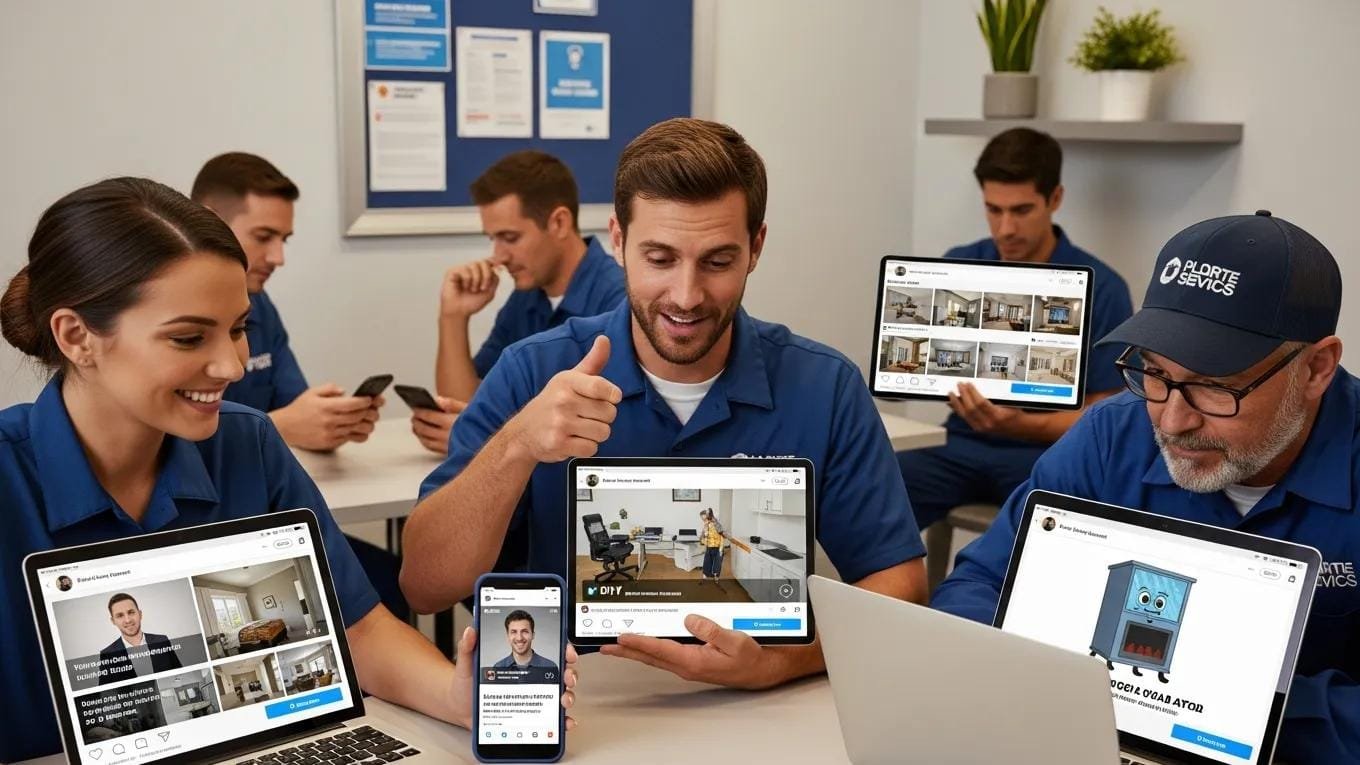
Plumbers, electricians, roofers, and HVAC teams often hope a viral post will instantly bring homeowners and big, high-margin jobs through the door. In practice, viral content usually creates short bursts of attention — not a reliable pipeline of work. This article explains what viral marketing is versus sustainable business growth, why chasing virality can harm a contracting business, and practical steps contractors can take to build steady client relationships and predictable revenue.
The Viral Dream vs. Business Reality for Contractors
“Going viral” means your content spreads fast, usually on social platforms, producing a sudden visibility spike. For contractors that might be a dramatic roof repair clip or an extreme plumbing fix. Those moments can rack up views but rarely turn into regular homeowner leads or consistent, high-value contracts. Real growth needs steady engagement with the right homeowners — people actively looking to hire a professional, not just to watch a clip.
Many contractors see virality as a cheap shortcut to brand awareness, but that often ignores the need for targeted, intent-driven marketing that actually converts.
Viral Marketing: A Low-Cost Brand Tactic for Some Startups
As traditional advertising loses some of its reach, startups increasingly test viral marketing as an organic, lower-cost way to build brand recognition. While it can work for awareness, it’s not a reliable replacement for channels that capture intent and produce measurable demand.
Viral marketing as a tool for emerging companies, 2025
What Going Viral Actually Looks Like
Viral posts for contractors usually rely on spectacle — a shocking mold removal, an unusual solar install, or a dramatic emergency repair. Those stories get attention, but they don’t always build trust with homeowners who need dependable, professional service. Viral content is unpredictable and can spin into narratives that don’t reflect your quality or values.
Knowing how viral messages can change in the wild helps contractors avoid reputation risks and stay focused on clear, consistent messaging that appeals to their ideal customers.
Viral Message Mutation: Why Spreadable Content Can Misfire
Successful viral campaigns are often praised for their reach. But because consumers modify and re-share content, messages can mutate as they spread. That malleability makes it important to anticipate how content might be reshaped and which messages are safe to amplify if you want a specific business outcome.
A framework for viral marketing replication and mutation, SJ Lind, 2020
Traffic Spikes Without Conversions
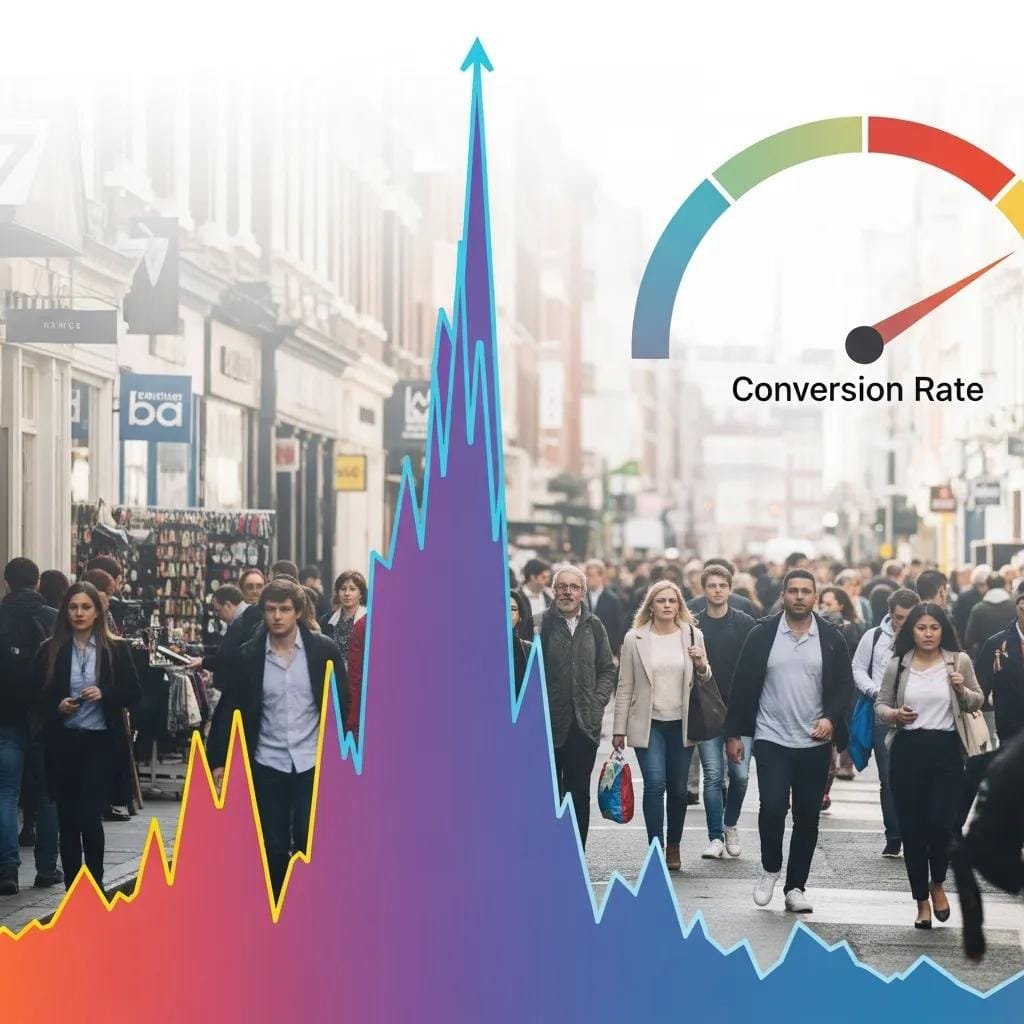
After a viral post you might see more website visits or social likes, but those metrics often don’t turn into booked jobs. Viewers drawn by sensational content aren’t always homeowners ready to hire, so conversion rates stay low. Without targeted messaging and clear next steps, viral traffic is a missed opportunity rather than a revenue source.
Why Viral Metrics Are Vanity Metrics for Contractors
Big numbers feel good, but views and shares don’t equal business growth. Contractors should focus on metrics that track real homeowner interest and bookings: lead quality, conversion rate, and customer lifetime value.
Reach Is Not Revenue
A large audience doesn’t automatically bring high-ticket work. Viral attention often fails to convert viewers into paying customers. Prioritizing meaningful interactions over raw reach ensures your marketing actually helps the bottom line.
The Audience Mismatch Problem
Viral content tends to draw a wide, unfocused crowd that may not match your ideal homeowner. A viral DIY deck video, for example, might attract hobbyists rather than people ready to hire a pro. That mismatch wastes time and dilutes your brand message.
Platform Dependency Is a Business Risk
Relying on TikTok or Instagram for visibility leaves you vulnerable to algorithm shifts. Diversify into owned channels — your website, email list, and local search presence — to reduce the risk of sudden drops in traffic.
The Real Cost of Chasing Virality for Contractors
Chasing viral fame can drain your budget and pull focus from activities that build long-term client relationships.
Wasted Budget and Misdirected Resources
Many contractors spend on viral campaigns without a conversion plan, ending up with poor ROI. Redirecting that spend to targeted SEO and intent-driven content typically produces steadier returns.
Brand Dilution From the Wrong Audience
If viral content attracts the wrong type of homeowner, it can confuse your positioning and erode trust. Consistent messaging that reflects your core services keeps your brand clear and credible.
The Opportunity Cost of Not Investing in SEO
Skipping SEO for viral bets means missing steady organic traffic from homeowners actively searching for services like plumbing, roofing, or foundation repair. SEO builds authority and delivers qualified leads over time, supporting predictable revenue.
What Sustainable Business Growth Actually Looks Like for Contractors

Sustainable growth for contractors means building ongoing homeowner relationships through consistent, targeted marketing that drives repeat business and referrals. It prioritizes predictable value over viral highs.
That approach blends financial goals with customer trust and community impact, creating long-term value for your business and the neighborhoods you serve.
Sustainable Business Strategy: Value That Lasts
A sustainable business strategy aligns economic, environmental, and social objectives with the company’s goals and actions to create lasting value for the firm, its stakeholders, and the wider community. It’s about meeting today’s needs while protecting resources that future operations will depend on.
Sustainable business strategies, TB Long, 2020
How Intent-Driven Marketing Compounds Over Time
Intent-driven marketing targets what homeowners are actively searching for — emergency plumbing fixes, seasonal HVAC tune-ups, or roof inspections after storms. Content and ads aligned with that intent build trust and loyalty, which compound into more booked jobs and higher lifetime value.
SEO as a Long-Term Demand Engine
SEO puts you in front of homeowners when they search for local services, driving organic traffic that converts into paid jobs. Investing in SEO grows your authority and ensures a steady stream of qualified leads without depending on viral luck.
Paid Advertising Done Right — Precision Over Reach
Smart paid campaigns target homeowners by location and need — for example, homeowners in neighborhoods hit by a recent storm. Precision maximizes your ad spend and increases conversion rates compared with broad, viral-focused campaigns.
How to Shift From Viral Chasing to Revenue-Driven Marketing for Contractors
Switching from viral chasing to revenue-driven marketing takes focus and concrete steps tailored to contracting businesses.
Audit What’s Actually Driving Your Conversions
Review your marketing to identify which channels and messages lead to booked jobs. Mapping homeowner behavior and key touchpoints reveals where to invest for better results.
Build Content Around Search Intent, Not Trends
Create content that answers homeowner questions and solves problems — “How to spot a slab leak” or “When to replace your HVAC.” That attracts people who are actively looking to hire a pro.
Choose the Right Marketing Partner for Your Stage
Work with marketing partners who understand contracting and your business goals. Whether you’re establishing your brand or scaling operations, the right partner will tailor strategies to your growth stage.
For Businesses Starting Out
Focus on building a clear brand, defining your target homeowners, and crafting a value proposition that sets you apart in a crowded local market.
For Businesses Ready to Scale
Use data to refine your marketing, test new channels, and sharpen customer targeting so you capture more high-ticket jobs and boost revenue.
Frequently Asked Questions
- What are the main drawbacks of viral marketing for contractors? Viral marketing can drive lots of traffic without conversions, attract the wrong audience, and create platform dependency — all of which may not translate into booked jobs.
- How can contractors achieve sustainable growth? Focus on intent-driven content, SEO, and targeted advertising to build a durable foundation of qualified leads and repeat business.
- What role does SEO play in contractor business growth? SEO improves visibility for local searches, bringing organic traffic from homeowners actively looking for services and serving as a reliable long-term demand source.
The Bottom Line on Virality vs. Sustainable Growth for Contractors
Viral marketing can be tempting, but contractors who want steady, high-ticket trade work should prioritize sustainable growth strategies. Deep homeowner engagement, ongoing SEO, and targeted marketing build a stronger, more reliable business than chasing occasional viral moments. Move from viral chasing to revenue-driven marketing and your contracting business will be better positioned to compete and grow in your local market.
To strengthen your online presence, consider exploring eCommerce web design services. A clear, well-built site or service portal improves homeowner trust and makes booking jobs easier.
If you want to reach homeowners who are ready to hire, our PPC services run targeted campaigns that connect you with high-intent prospects and drive measurable conversions.
For contractors looking to build local awareness and loyalty, social media marketing services help you engage homeowners consistently and drive more qualified traffic to your site over time.
Subject Matter Context
Core Pillar Connection: This technical guide is part of our Guts To Glory Field Proof Systems series. For comprehensive execution and guaranteed results in your local area, review our official protocol: Hyper-Local paid Social and Meta retargeting Moats .
Related Guts To Glory Field Proof Systems Resources:
- • How Smart Contractors Use Proximity Loops to Print Money
- • What Is a Social Media Marketing Service? (2026 Guide for Blue-Collar Contractors)
- • How to Market Your Small Trade Business on Social Media — and Actually Get Results
- • The Best Brands On Social Media In 2026
- • The 2026 Guide to AI Search for Plumbers: How to Rank in ChatGPT, Perplexity, and Google AIO

 10 Social Media Fails, Mistakes, Scandals — and What Local Contractors Should Do Instead