
Local contractors — plumbers, electricians, roofers, HVAC techs, and other tradespeople — need SEO that connects them with homeowners ready to pay for quality work. In 2026, good SEO is more than keywords: it’s about owning your service identity and standing out in AI-driven search. Below are ten practical, revenue-focused SEO tactics to help contractors attract the right homeowners through semantic content, structured data, and modern search strategies.
Understanding the Core Entities: Who, What, Where, and Why for Contractors
Who: Local trade contractors — plumbers, electricians, roofers, solar crews, landscapers, HVAC companies.What: High-value home services like repairs, installations, and ongoing maintenance.Where: The local neighborhoods and service areas where you compete and serve customers.Why: To boost online visibility, attract qualified homeowner leads, and win higher‑value jobs that grow your business.
Why Most SEO Efforts Stall Before They Gain Traction for Contractors
A lot of contractors spend time on SEO but see little return because their work doesn’t match how modern search systems evaluate pages. Knowing the common mistakes helps you build an approach that actually converts homeowner searches into calls and bookings.
The Gap Between Knowing SEO and Actually Executing It
Many contractors understand SEO basics but struggle with consistent, practical execution. Overlooking technical items like crawlability, site speed, and mobile usability will hold your site back no matter how good your content is.
What Google Actually Rewards in 2026
Search engines prioritize user experience, semantic relevance, and clear service signals. For contractors, that means your site must plainly state services, service areas, and the value you deliver. Core Web Vitals and content that matches homeowner intent remain essential ranking factors.
The 10 SEO Tricks That Drive Higher Rankings for Contractors
Apply these tactics to improve your online visibility, attract more homeowner leads, and close more high‑value jobs.
1. Audit and Fix Your Technical SEO Foundation
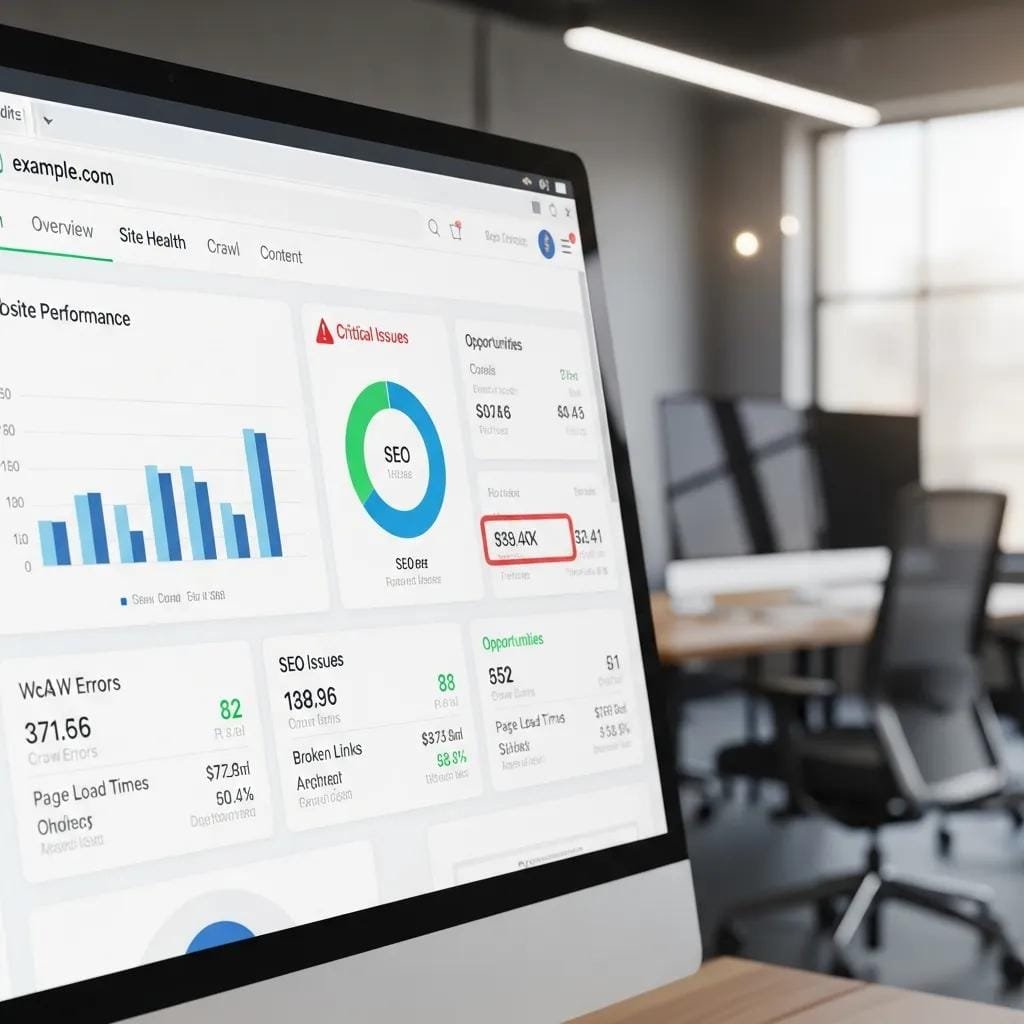
Begin with a full technical SEO audit so search engines can crawl and index your site reliably. This underpins every other SEO win and is crucial for appearing in local results when homeowners search for services.
Core Crawlability and Indexing Issues to Resolve First
Use Google Search Console to spot crawl errors and repair broken links. Confirm your robots.txt and sitemaps let search engines reach important pages. These fixes help homeowners actually find your service pages in search results.
Page Speed and Core Web Vitals — The Baseline You Can’t Ignore
Speed matters: faster pages keep visitors on your site and improve rankings. Run PageSpeed Insights, optimize images, enable caching, and cut unnecessary JavaScript so homeowners don’t leave before they see your services.
Recent research highlights how web performance tools are central to measuring and improving Core Web Vitals, which directly affect user experience and search outcomes.
Optimizing Core Web Vitals for Better UX & Rankings
This study looks at the role of web performance tools—like Lighthouse, PageSpeed Insights, and WebPageTest—in tracking and improving key metrics such as Largest Contentful Paint (LCP) and First Input Delay (FID). It shows how improving these metrics reduces bounce, increases conversions, and boosts time on site.
Web performance tooling and the importance of web vitals, MK Dobbala, 2022
2. Target Low-Competition Keywords with Clear Search Intent
Focus on the exact phrases homeowners use when they need a service in your area. Low-competition, intent-rich keywords help you rank faster and bring in customers who are ready to hire.
How to Find Ranking Opportunities Your Competitors Overlook
Use keyword tools to target long-tail queries like “emergency plumber in [city]” or “affordable HVAC repair near me.” These show clear homeowner intent and usually face less competition—ideal for quick wins.
3. Optimize Title Tags and Meta Descriptions for Click-Through Rate
Well-written titles and meta descriptions increase clicks from search results, which drives more potential leads to your site.
Writing Titles That Rank and Actually Get Clicked
Include your main service and location naturally, for example: “Top-Rated Electrician in [City] — Fast, Reliable Service.” Keep descriptions benefit-focused and clear so homeowners click the listing that best matches their need.
4. Strengthen Your Internal Linking Structure
Internal links spread SEO value around your site and help homeowners find relevant services easily.
How Internal Links Distribute Authority and Guide Crawlers
Use descriptive anchors like “roof repair services” that point to detailed service pages. That boosts SEO and makes it easier for visitors to navigate to the right information.
5. Update and Refresh Existing Content Regularly
Keep service pages and blog posts current with the latest pricing, seasonal offers, and local rules so your content remains relevant to homeowners and search engines.
Why Freshness Signals Still Matter for Rankings
Regular updates tell Google your content is current—especially important for seasonal services, code changes, or new product options that homeowners may be searching for.
6. Build Topical Authority with Content Clusters
Group related content around core services to show expertise and make your site more useful to homeowners and search engines.
Pillar Pages and Cluster Articles — How the Model Works
Create a pillar page such as “Home Electrical Services” and link cluster posts like “Electrical Panel Upgrades” and “Home Generator Installation.” This structure signals depth and helps homeowners find specific answers.
7. Earn Quality Backlinks Through Strategic Link Building
Links from reputable local and industry sources boost your site’s trust signals and help you rank for homeowner searches.
What Makes a Backlink Worth Pursuing in 2026
Prioritize links from local business directories, trade groups, community organizations, and respected home-improvement blogs. Those referrals carry real authority in local search.
8. Optimize for Mobile-First Indexing

Most homeowners search on mobile, so your site must be fast, usable, and easy to navigate on phones to rank well and convert visitors into calls.
Mobile SEO Checklist — What to Audit and Fix
Check for mobile usability problems—slow loads, cramped layouts, hard-to-tap buttons—and fix them. Improving mobile experience helps both homeowners and search rankings.
A holistic site optimization often includes a user-centered redesign, mobile-first workflows, and technical improvements like structured data and internal linking.
UX, Mobile-First, & Structured Data for SEO
This case study documents a user-centered redesign and technical improvements to make a site faster, more accessible, and mobile-friendly. It highlights metadata, structured data, and internal linking as key SEO elements that work alongside design changes.
User experience-led redesign and SEO optimisation of a website. A case study on a technologically augmented teaching system
9. Use Structured Data to Win SERP Features
Schema markup makes your listing richer (reviews, services, FAQs), which helps homeowners find the right information quickly and increases trust.
Schema Types That Drive Visibility and Rich Results
Add structured data for LocalBusiness, Service, Review, and FAQ to give search engines clear context about your offerings and improve the chance of earning rich snippets.
As search grows more semantic and AI-driven, structured data helps machines understand your content, making enhanced search results more likely.
AI & Semantic Technology for Smarter Search Results
Advances in AI and semantic systems mean search engines better identify concepts and relationships in content. Implementing schema helps machines parse complex pages and serve more relevant results—though unstructured data can make concept identification harder without clear markups.
Autonomous schema markups based on intelligent computing for search engine optimization, BUD Abbasi, 2022
10. Track, Measure, and Iterate — SEO Is Not Set-and-Forget
SEO is ongoing. Track results, learn from the data, and continuously refine tactics to keep attracting homeowners and winning jobs.
The KPIs and Reporting Cadence That Keep Strategy on Track
Monitor organic traffic, keyword positions, and conversion rates. Review performance regularly and adjust priorities to maximize ROI.
Which SEO Tricks Should Contractors Prioritize First?
Choose the tactics that match your budget and growth goals to get the best return on effort and drive more qualified leads.
For Contractors With a Limited Budget
Focus on low-cost, high-impact moves: update existing pages, tighten on-page SEO, and use social posts to reach local homeowners. These steps can deliver meaningful leads without a big spend.
For Contractors Ready to Scale Rankings Fast
Invest in a full SEO audit, focused keyword research, and quality content aimed at homeowner needs. Those investments accelerate ranking gains and increase inquiries for higher‑value jobs.
When to Bring in an SEO Partner
Bringing in outside help can speed results and avoid wasted effort if you don’t have in-house marketing resources.
Signs Your SEO Needs Professional Execution
If rankings stall, traffic flattens, or algorithm changes leave you behind, it’s time to consider an expert who can execute faster and more reliably.
What a Results-Driven SEO Agency Does Differently
A good agency uses data-driven tactics, stays on top of trends, and applies the right tools so your business attracts more homeowners and closes more profitable jobs.
Frequently Asked Questions
What are the most effective SEO tricks for small contractors?
Local SEO, mobile optimization, and content that answers homeowner questions tend to deliver the best returns for small contractors.
How long does it take for SEO improvements to show results?
Expect to see meaningful improvements in about 3 to 6 months, depending on competition and how consistently you apply the strategy.
Can I do SEO myself, or do I need to hire an agency?
You can handle basic SEO yourself, but an agency can bring expertise and save time—helpful if you lack marketing bandwidth.
What is the quickest SEO win I can implement today?
Update your title tags and meta descriptions to better match homeowner intent — it’s a fast change that often boosts click-through rates right away.

 How Google Ads Work: Practical Tips to Win More High‑Value Jobs