
Local contractors — plumbers, electricians, roofers, HVAC pros — frequently struggle to get seen online. Small mistakes in search presence compound quickly and cut off the leads homeowners are actively searching for. Knowing the common SEO traps and how to fix them is the fastest way to reclaim traffic and grow your business. In this article, we walk through nine frequent SEO errors small businesses make and give clear, actionable fixes so you can boost visibility, attract more local traffic, and convert more homeowners. We’ll show the impact of each mistake, real examples, and practical steps to correct them.
Put simply: smart, consistent SEO is what lets small businesses get found and compete — even against larger rivals.
SEO for Small Business Visibility & Retailer Success
Introduction. The shift to digital and the growing mix of online and offline competition make a coordinated marketing plan essential — and search engine optimization is a core part of that plan. SEO raises a business’s visibility compared with competitors, improves how you connect with prospective customers, and helps meet the varied needs of online buyers. For retailers, in particular, effective SEO supports both short- and long-term growth by ensuring your business appears when and where customers search.
Business optimization in the digital age: Insights and recommendations, A Natorina, 2020
Why Small Business SEO Mistakes Are More Costly Than They Look
Small SEO errors add up fast. One overlooked issue can erode traffic, which reduces leads and revenue — and then makes future fixes harder and more expensive. Treating SEO as an ongoing checklist instead of a one-off task keeps your pipeline healthy.
The Compounding Effect of Overlooked SEO Errors
Minor problems — like missing title tags or weak meta descriptions — lower click-through rates and visibility. Over time, that reduced traffic means fewer conversions, which can push your site lower in rankings and trigger a downward spiral that’s costly to reverse.
What These Mistakes Cost in Traffic and Leads
Data shows even small SEO gaps can cost a large share of potential leads. Businesses that don’t optimize properly can miss the majority of search-driven customers, which not only reduces immediate sales but also weakens long-term brand awareness and trust.
Mistake 1 — Skipping Keyword Research
Keyword research is the blueprint for effective SEO. Skip it and you’ll be guessing what customers search for — and likely missing the phrases homeowners actually use when they need your services.
Why Small Businesses Skip It
Owners often skip keyword research because of time or because it sounds technical. Many assume they already know the right terms, but intuition rarely matches real search behavior, especially locally.
What Happens Without a Keyword Strategy
Without targeted keywords, your content won’t match real search intent. A roofer who doesn’t target phrases like “roof repair near me” or “emergency roof leak repair” will be invisible when local homeowners are ready to hire.
How to Fix It
Use tools like Google Keyword Planner or “SEMrush” to find the terms your customers actually use. Prioritize long-tail, location-specific phrases — they face less competition and bring more qualified leads.
Mistake 2 — Ignoring Local SEO
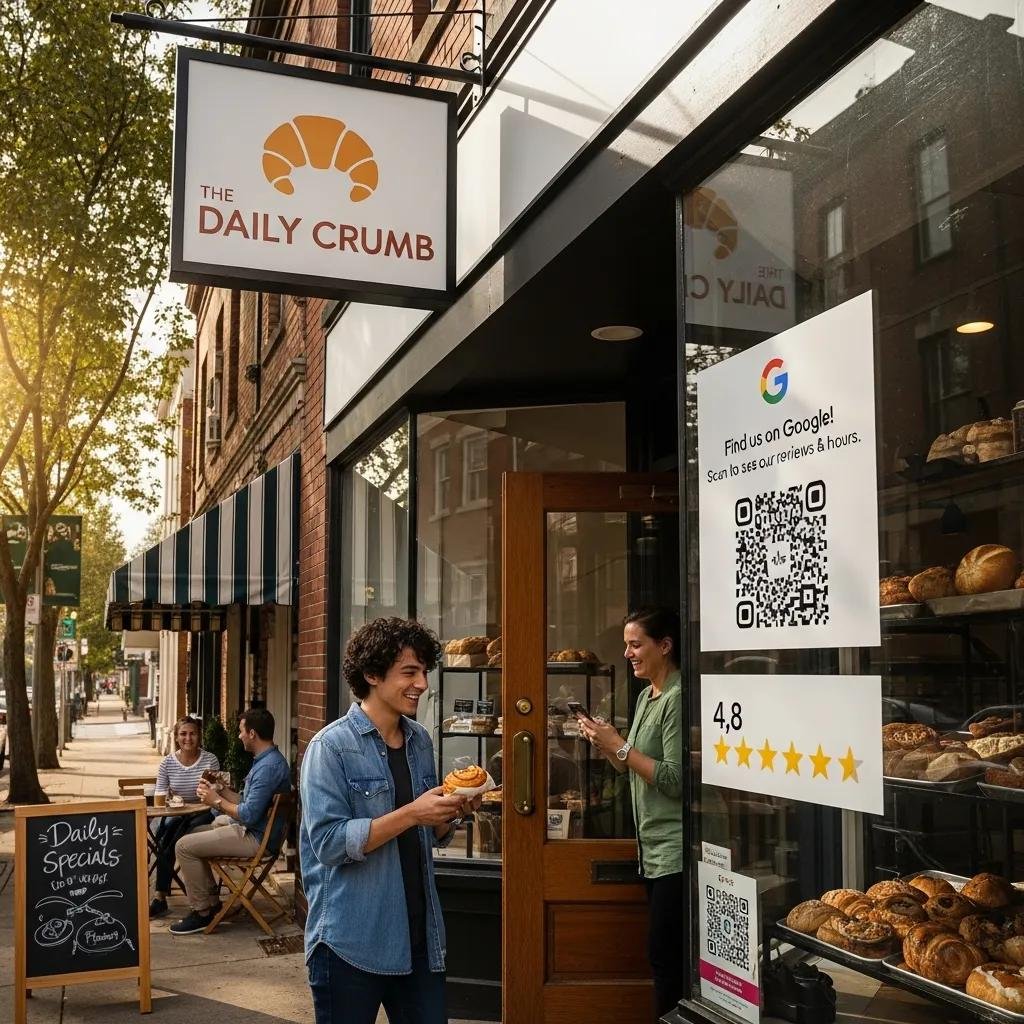
If you serve a specific town or neighborhood, local SEO is non-negotiable. Landscapers, pest control crews, and pressure washers rely on local searches; neglecting local signals means missing the most ready-to-buy customers.
When Local SEO Applies to Your Business
Any business with a service area or physical location should optimize for local search — restaurants, shops, contractors, and home-services providers. Local optimization helps you appear in “near me” searches and local map results.
The Signals Most Small Businesses Are Missing
Too many businesses leave their Google Business Profile incomplete or inconsistent. Missing hours, wrong phone numbers, and few reviews all reduce your chance of showing up in local packs. Local citations and backlinks also build trust with search engines.
How to Fix It
Claim and fully optimize your Google Business Profile: complete every section, use relevant keywords, keep hours and contact info accurate, add photos, and ask satisfied customers for reviews. Build local citations and backlinks from neighborhood or industry sites to strengthen local authority.
Mistake 3 — Not Optimizing for Mobile

Most customers search from their phones. If your site isn’t mobile-friendly, you lose visitors — often before they see what you offer. That’s lost business that’s hard to recover.
Why Mobile Matters More Than Ever for Small Business SEO
Search engines prioritize mobile-first sites. If your pages aren’t responsive or fast on phones, your rankings and user experience will suffer — and so will conversions.
Common Mobile Issues Small Business Sites Have
Slow page speed, cramped layouts, and navigation that breaks on small screens are common problems. These issues drive up bounce rates and frustrate potential customers.
How to Fix It
Adopt a responsive design that scales to all screens and run Google’s Mobile-Friendly Test to identify problems. Optimize images, streamline code, and prioritize speed — small changes can make a big difference in engagement and rankings.
Mistake 4 — Missing, Duplicate, or Poorly Written Title Tags and Meta Descriptions
Title tags and meta descriptions are often your first impression in search results. Generic or duplicated tags reduce clicks and confuse both users and search engines.
Why These Tags Still Matter
These snippets influence whether someone clicks your result. A clear, relevant title and description improve click-through rates and help search engines understand your page.
What Bad Title Tags Look Like in Practice
Examples of poor tags include generic phrases like “Home” or “Welcome” that don’t describe the page. They don’t tell users what problem you solve or where you operate.
How to Fix It
Make every title and meta description unique, descriptive, and keyword-aware. Keep titles under ~60 characters and descriptions under ~160 so search engines display them properly. Focus on value and call-to-action language that invites clicks.
Mistake 5 — Neglecting Technical SEO Fundamentals
Technical SEO keeps your site crawlable and fast. Ignoring it creates invisible barriers that prevent search engines and users from reaching your content.
Common Technical Errors Small Businesses Overlook
Broken links, slow load times, improper redirects, and indexing issues are frequent technical problems. Any of these can hurt rankings and user experience.
How to Audit Your Technical SEO
Run a technical audit with tools like Google Search Console and Screaming Frog to spot broken links, crawl errors, and speed issues. Verify your sitemap and robots.txt and check indexing status.
The Fixes With the Highest Impact
Fix broken links, streamline redirects, and prioritize site-speed improvements. Ensuring pages are properly indexed and accessible provides quick, measurable SEO gains.
Mistake 6 — No Internal Linking Strategy
Internal links guide both users and search engines through your site. Too many small businesses leave this to chance, missing easy gains in visibility and engagement.
Why Internal Links Matter More Than Most Small Businesses Realize
Internal links help search engines understand page relationships and pass ranking signals. They also keep visitors on your site longer by connecting them to related content or services.
How to Build a Basic Internal Link Structure
Identify priority pages (services, location pages, key blog posts) and link to them naturally from related content. Use clear, descriptive anchor text and avoid overloading pages with pointless links.
Mistake 7 — An Abandoned or Incomplete Google Business Profile
A complete Google Business Profile (GBP) is a local marketing essential. An outdated or half-finished profile loses visibility and trust.
What’s Missing From Most GBP Listings
Common gaps include hours, up-to-date photos, service descriptions, and responses to reviews. These omissions make it harder for customers to choose your business.
How an Incomplete GBP Hurts Local Rankings
Search engines favor accurate, frequently updated listings. Incomplete profiles rank lower and miss placement in local search results — costing you calls and bookings.
Quick Fixes That Improve Local Visibility Immediately
Fill out every field in your GBP, add high-quality images, keep hours current, and respond to reviews. Regular updates and posts show activity and increase the chance of appearing in local results.
For micro-businesses in underserved areas, basic tools like Google My Business combined with simple SEO steps can dramatically expand reach and help overcome digital-literacy barriers.
Empowering Micro-Businesses with SEO & Google My Business
Limited market access and low digital literacy are major hurdles for micro-business owners in remote areas. This community-focused work aims to build capacity so small businesses can use SEO and Google My Business effectively to widen their online reach and promote their services.
Pelatihan Strategi Search Engine Optimization (SEO) Dan Google My Business Untuk Pelaku Usaha Mikro Di Daerah Tertinggal, 2025
Mistake 8 — Publishing Thin or Duplicated Content
Content that adds no value or repeats existing pages weakens your site’s authority. Search engines and users both prefer helpful, original content.
What Counts as Thin Content
Thin content includes pages with very little useful information, template filler, or pages that exist only to target a keyword. These pages rarely rank or convert.
How Duplicate Content Confuses Search Engines
When multiple pages show the same content, search engines struggle to choose which one to rank. That can dilute visibility and lower overall performance.
How to Audit and Improve Existing Content
Regularly audit your site to find thin or duplicate pages. Combine similar pages, expand weak content with useful details, and focus on solving real customer questions to improve performance.
Mistake 9 — Not Tracking SEO Performance
If you’re not measuring results, you’re guessing. Tracking SEO performance tells you what’s working and where to focus effort and budget.
Why Most Small Businesses Fly Blind on SEO
Many lack the tools or time to track progress, so they continue tactics that don’t move the needle. That wastes effort and delays growth.
What You Should Be Measuring
Track organic traffic, keyword rankings, conversion rates, and local pack impressions. Those metrics show both visibility and whether searchers are turning into customers.
How to Set Up a Simple SEO Reporting Cadence
Decide on a reporting frequency (monthly is common), pick a few core KPIs, and use tools like Google Analytics and Search Console to monitor trends. Regular reviews turn data into focused action.
How Demand & Convert Helps Small Businesses Fix These Mistakes
Demand Convert focuses on helping small businesses fix practical SEO problems with data-backed, easy-to-implement solutions. We prioritize the fixes that deliver measurable increases in visibility and leads.
From Audit to Execution
We start with a thorough SEO audit to find the biggest opportunities, then work with you to implement targeted fixes — from local listings and mobile updates to content and technical cleanups.
Results Small Businesses Can Actually Measure
Clients see clearer traffic gains and better conversion rates when they focus on the right SEO work. We track improvements so you can see the impact on calls, leads, and bookings.
Frequently Asked Questions
- What is the most common SEO mistake small businesses make? Skipping keyword research is the most common misstep — it leads to poor targeting and missed traffic.
- Can a small business do SEO without hiring an agency? Yes. Many businesses handle basic SEO in-house, but professional guidance speeds results and helps avoid costly mistakes.
- How long does it take to see results after fixing SEO mistakes? It varies, but many businesses notice improvements in weeks and clearer gains within a few months after consistent work.
- What is the best first step for a small business starting SEO? Start with focused keyword research to understand what your customers search for, then optimize your highest-value pages and your Google Business Profile.
Stop Letting These Mistakes Hold Your Business Back
Fixing these common SEO errors is one of the fastest ways to increase visibility and attract more homeowners. Start with the high-impact fixes we’ve outlined, measure the results, and scale what works. If you need help, reach out — taking action now will pay off in more traffic, more leads, and more booked jobs.

 The Death of Stock Photos: Why “Documercials” Are the Only Way to Close High-Ticket Installs in 2026